PrEP vs PEP: What Is the Difference, Which to Choose and When
PrEP is taken before a risk; PEP is an emergency medicine started within 72 hours after one. Both prevent HIV very well, but they fit different situations.

Key points
- PrEP is taken before a risk, for people with repeated risk. Used correctly it prevents about 99% of sexually acquired HIV.
- PEP is an emergency medicine after a risk. It must be started as soon as possible, within 72 hours at most, and taken for 28 days.
- If you need PEP often or still have ongoing risk, you can switch to PrEP straight after finishing PEP.
The question I hear almost every day is "Do I need PrEP or PEP?" The names are so similar that many people mix them up. An easy way to remember: PrEP = pre = before, and PEP = post = after. Both are antiretroviral medicines that prevent HIV very effectively, but they are used in different situations. Choosing the wrong one, or starting too late, can reduce the protection.
Side-by-side comparison
| PrEP (before risk) | PEP (after risk) | |
|---|---|---|
| When it is used | Before a risk, taken continuously or to a plan | After a risk has happened, within 72 hours |
| Best for | People with repeated risk | An unexpected, occasional risk |
| How long | As long as the risk continues | 28 days in every case |
| Medicines used in Thailand | Tenofovir with emtricitabine or lamivudine (tablets); injectable forms at some services | Three antiretrovirals; the usual regimen is tenofovir + lamivudine/emtricitabine + dolutegravir |
| Blood tests | Before starting and every 3 months | Before starting and after finishing, as scheduled |
| Effectiveness | Very high when taken consistently | Very high when started early and completed |
PrEP
Pre = before
- Taken before risk, daily or on a plan
- For repeated risk
- Used as long as risk continues
- Blood tests before starting and every 3 months
PEP
Post = after
- Started within 72 hours of exposure
- For unexpected risk
- 28 days in every case
- 3 antiviral drugs, as prescribed
Neither protects against syphilis, gonorrhea or chlamydia.
PEP is an emergency medicine after a risk
PEP (post-exposure prophylaxis) is used when a risk has already happened, for example:
- A condom broke, leaked or slipped off with a partner whose HIV status is unknown, or with a partner who has HIV and is not yet virally suppressed
- Sex without protection when you were not on PrEP
- Sexual assault
- Sharing needles with others
There are two key rules: start as soon as possible, ideally within a few hours and no later than 72 hours, and take the full 28 days. Read all the steps in PEP: emergency HIV medicine after exposure, and if it has just happened, see Just had an HIV exposure? What to do now.
PEP only protects against that one exposure. It does not protect against risks after the course ends.
PrEP is protection in advance
PrEP (pre-exposure prophylaxis) suits people who are HIV-negative and likely to have repeated risk, for example:
- Several partners, or inconsistent condom use
- A partner who has HIV and is not yet virally suppressed, or whose treatment results you are unsure of
- Having used PEP before, or having recently had a sexually transmitted infection
- Sex workers, or people who use drugs during sex. Read more in Chemsex
PrEP comes in several forms:
- Daily PrEP, suitable for all genders. Read PrEP: HIV prevention before exposure
- On-demand 2-1-1 PrEP for some men who have sex with men. See On-demand PrEP (2-1-1)
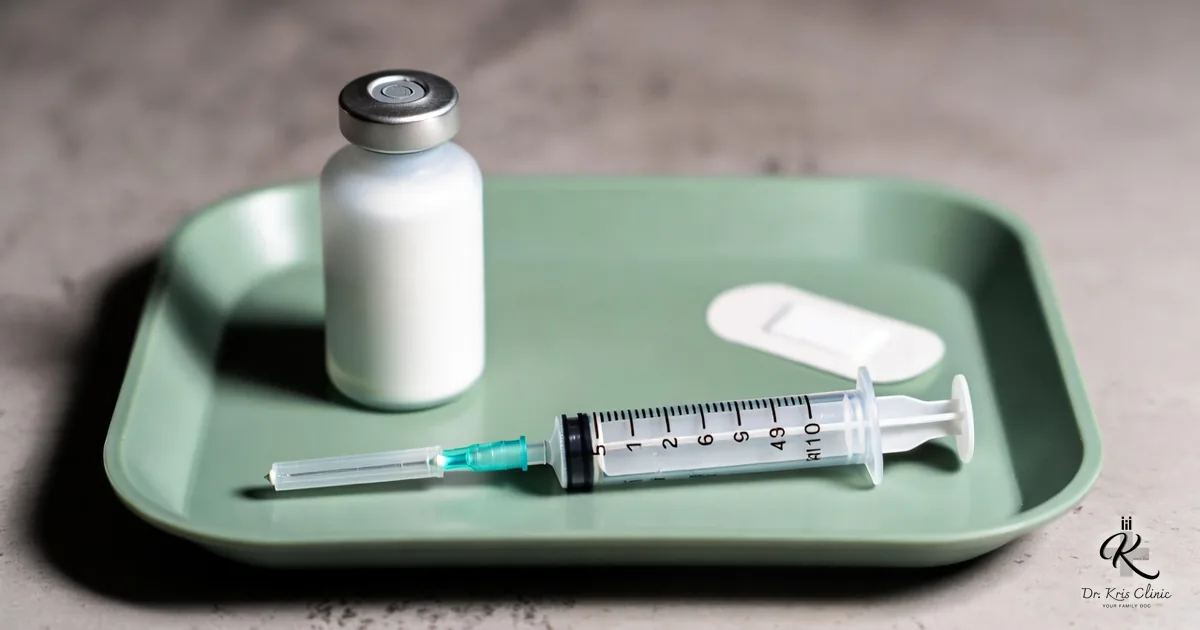
- Injectable PrEP: cabotegravir every 2 months and lenacapavir twice a year. Access in Thailand is still limited. See the latest status in Injectable PrEP
When taken consistently as prescribed, PrEP reduces the risk of getting HIV from sex by about 99%, according to the US CDC.
You can go straight from PEP to PrEP
If you have used PEP and know the risk is likely to happen again, current guidelines recommend switching to PrEP the day after your last PEP tablet, after an HIV test confirms you are negative. There is no need for a gap, so you are never left unprotected. Needing PEP several times a year is a clear sign that PrEP would probably suit you better.
A common misunderstanding about brands
In Thailand there are many generic brands, both made locally and imported. What matters is the active ingredients, not the brand name. Tablet PrEP is tenofovir with emtricitabine or lamivudine. Three-drug combinations containing dolutegravir are used for PEP or HIV treatment, not as PrEP. Older regimens containing efavirenz are no longer recommended for PEP because of more side effects. Read the details in Do PrEP/PEP brands differ?
Which one? A quick summary
- You had a risk within the last 72 hours and were not using PrEP correctly → contact a doctor about PEP immediately.
- You are on PrEP and taking it correctly to plan → you usually do not need PEP, but if you missed several days before the risk, talk to your doctor.
- No risk right now, but you know it will be ongoing → start PrEP.
- Your partner has HIV and has had an undetectable viral load on treatment for at least 6 months → there is no risk of sexual transmission, according to U=U.
Needing PEP several times a year suggests PrEP would suit you better. You can switch straight after the last PEP pill.
How the clinic can help
At Dr. Kris Clinic, I assess your risk, test for HIV before starting medicine, prescribe PrEP and PEP according to guidelines, and arrange follow-up both at the clinic and online anywhere in Thailand. English-speaking consultations are available. For PEP, contact us as soon as possible, because time matters a great deal. Read about the remote service in Online PrEP/PEP through telemedicine.
Medicines and services your doctor may consider
- PrEP Teno-EM (30 tabs)฿1,290Details & order →
- PrEP TAF-EM (30 tabs)฿1,290Details & order →
- PEP within 72 hours (28 days)฿1,590Details & order →
Prices are per pack. Every medicine is prescribed only after a doctor's assessment; your doctor will advise whether it suits you. See all medicines & services
Want help with this? Three simple steps
Reading is a good start. When you are ready, check where you are, see how a consultation works, then book a time that suits you.
 1Free 2-minute self-checkSexual-health self-check — see your result instantly and send it to the doctor if you like.Start the self-check →
 2See the steps and feesIndividual from 990 THB · couple 1,590 THB · 30–60 minutes, at the clinic or online via MCS Telemedicine.How a consultation works →
 3Book with the doctorPick a time online or message us on LINE. Come on your own or with your partner. Payment confirms the booking.Book online →
Self-checks are a guide only and do not replace a doctor's assessment. Outcomes vary from person to person, depending on the severity of symptoms, the complexity of the problem and other factors.
HIV risk, or want to start PrEP?
Consult in clinic or online. After a recent exposure, PEP works best the sooner it starts — within 72 hours.
Every medicine and service requires a doctor's assessment first.
Frequently asked questions
I am on PrEP and the condom broke. Do I need PEP?
If you have been taking PrEP correctly to plan, for example daily for at least 7 days or 2-1-1 correctly, you usually do not need PEP. If you missed several days, talk to a doctor straight away.
Can I still take PEP after 72 hours?
Starting PEP after 72 hours is not recommended, because effectiveness falls sharply. Your doctor will plan follow-up blood tests and start PrEP if your risk continues.
I have finished 28 days of PEP. Do I stop now?
If you have no ongoing risk, stop and have your blood tests as scheduled. If you still have risk, you can switch to PrEP straight away after a negative HIV test.
Do PrEP and PEP use the same medicine?
Not entirely. PrEP uses two drugs, while PEP uses three, because it has to deal with virus that may already have entered the body.
อ่านบทความนี้เป็นภาษาไทย
References
- Tanner MR, et al. Antiretroviral Postexposure Prophylaxis After Sexual, Injection Drug Use, or Other Nonoccupational Exposure to HIV — CDC Recommendations, United States, 2025. MMWR Recomm Rep 2025;74(1).
- Centers for Disease Control and Prevention. Preexposure Prophylaxis for the Prevention of HIV Infection in the United States — 2021 Update: A Clinical Practice Guideline.
- World Health Organization. Guidelines for HIV post-exposure prophylaxis. 2024.
- Department of Disease Control, Ministry of Public Health. Thailand National Guidelines on HIV/AIDS Treatment and Prevention 2021/2022 (in Thai).
This article is for education and does not replace diagnosis or treatment by a doctor. If you have symptoms or concerns, please see a doctor.