

LGBTQ+ & Gender-Affirming Care
What Is Gender Identity? Gender as a Spectrum and Its 4 Axes
Gender isn't just male and female; it's made up of several separate axes. Once you understand them, you understand yourself and the people around you better.
Gender identity, gender-affirming hormone therapy and judgement-free care.
20 articles · 5 topics
Gender identity, expression and roles
Swipe for more →
Gender isn't just male and female; it's made up of several separate axes. Once you understand them, you understand yourself and the people around you better.

Not everyone feels they are a man or a woman. Get to know identities beyond the gender binary, and how to show respect in everyday life.

Skirts don't belong only to women, and suits don't belong only to men. Clothing is expression; it doesn't tell you someone's gender identity or sexual orientation.


Being a top or bottom isn't tied to masculinity, and using testosterone when your levels are normal won't make you more attractive the way you might hope, but it does carry real risks.
First steps, baseline blood tests and pre-surgery letters
Swipe for more →


Hormones genuinely help the body align with who you are, but they should be started with a plan: assessment, blood tests, choosing a regimen and long-term monitoring.
Blood tests before starting hormones help your doctor choose a safe medicine and dose, and give a baseline to compare against during future follow-up.

Before gender-affirming surgery you need an assessment to make sure you're physically and emotionally ready. International guidance has become more flexible, but Thai hospitals still have their own criteria, so it helps to know both.
Estrogen, antiandrogens, Gale dosing and the change timeline
Swipe for more →

Feminising hormone therapy mainly uses estradiol, together with an anti-androgen for some people. Starting with a plan and regular monitoring gives better, safer results.

Estradiol comes in several forms, each with its own pros and cons. The right regimen depends on your health, blood clot risk, lifestyle and blood results.
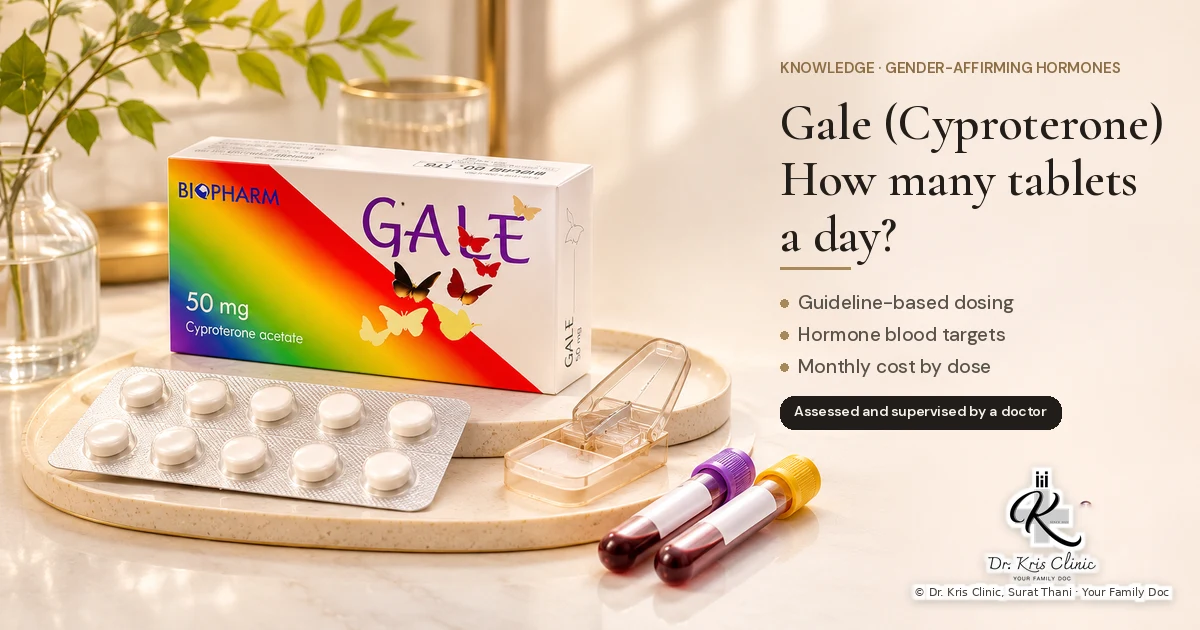
Is 1–2 tablets a day too much? Guideline doses, blood targets and monthly cost by dose.
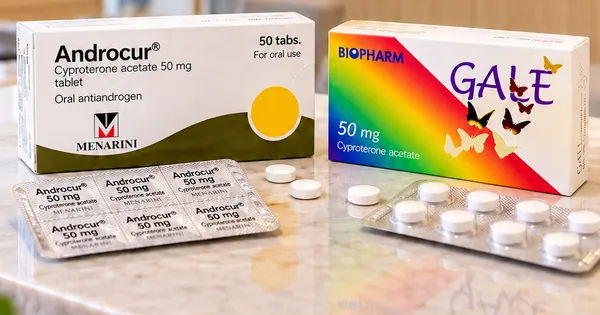
Both brands contain the same active ingredient at the same strength. They differ in manufacturer, registration and price; the dose matters more than the brand.


Hormone changes follow their own rhythm. Some start within weeks, some take years, and some can't be achieved with hormones at all. Knowing this helps you set the right expectations.


Finasteride doesn't lower testosterone; it reduces conversion to DHT, so it helps hair loss in some people. It isn't a core gender-affirming hormone medicine, and it has side effects worth knowing.
Testosterone for trans men, side effects and after surgery
Swipe for more →


Testosterone helps the bodies of trans men and some non-binary people align with who they are. Learn about forms of medicine, the timeline of changes and the monitoring that keeps you safe long term.


Testosterone is mostly safe when used at the right dose with regular monitoring. Knowing the common side effects and the ones to watch closely helps you prevent problems early.

Removing the ovaries isn't the end of hormone therapy. It's the point at which your body relies on hormones from outside to protect bones, muscle and mood for the long term.
Recommended checks, marriage equality and safe spaces
Swipe for more →


Whoever you are and whoever you love, good health is everyone's right. This guide gathers what LGBTQ+ people should look after, from testing and prevention to hormones and mental health.


Anal cancer can be prevented and caught before it spreads, especially in higher-risk groups such as people living with HIV, men who have sex with men and trans women. Learn who should be screened, when to start and how it's done.

Since 23 January 2025, couples of every gender can legally register their marriage in Thailand. It isn't just a certificate; it means rights, security and health benefits backed by evidence.
Pride isn't just a rainbow parade; it's an affirmation that everyone has equal dignity. A story from Stonewall to southern Thailand, and what safe spaces mean for health.

Online consultations across Thailand · English spoken