


Health beyond testing
Sex workers deserve respectful, non-stigmatising healthcare like anyone else.[1] Good care goes beyond HIV and STI tests to include contraception, vaccination, mental health, safety and general health.
Rights and privacy reduce barriers
Stigma, lack of privacy and fear of exposure are major reasons sex workers avoid health services.[1] The World Health Organization recommends rights-based, confidential, non-stigmatising services to improve access to prevention and treatment.[1]
Risk is not defined by occupation
HIV and STI rates vary greatly with setting, exposure and access to prevention.[1] It should not be assumed that sex workers are infected simply because of their work.
What actually determines risk
Risk depends on several factors, not occupation alone[1],[2]:
- Exposure: sites and activities.
- Access to prevention: condoms, lubricant, PrEP and PEP.
- Working conditions: the ability to negotiate condom use, and exposure to coercion or violence.
- Substance use, which can reduce prevention.
A private assessment
Assessment should be private and ask only what care requires.[1],[2]
- Health needs the person wants addressed.
- Exposure sites, to choose where to test.
- Medicines and vaccines already received.
- Safety and any coercion.
An appropriate care plan
Site-specific testing at sensible intervals: STI tests from the throat, rectum and genitals according to exposure, with frequency set by actual risk.[1],[2],[3]
HIV prevention: PrEP for those who are suitable, and PEP within 72 hours after a risk.[1]
Vaccines and hepatitis: hepatitis B and HPV vaccination, and hepatitis testing or treatment as appropriate.[1],[2]
Harm reduction for people who use substances, and contraception as wanted.[1]
Safety: privacy-aware support for coercion or unsafe working conditions.[1],[2]
This is a health overview and does not address the legal status of sex work in any particular place.
How we care for you at Dr. Kris Clinic
We provide confidential, non-judgemental care, in English or Thai. You do not have to tell us your occupation, but sharing your actual risks helps us plan testing correctly.
We offer site-specific STI testing, PrEP and PEP, vaccines and contraception, and if you feel unsafe, we help connect you with appropriate support.
Frequently asked questions
Do I have to tell the doctor I do sex work?
No, but describing your actual risks helps the doctor choose the right tests and prevention.
How often should I test for STIs?
It depends on your actual risk; many people test every three months. Plan it with your doctor.
Is PrEP right for me?
If you have a risk of HIV, PrEP is a good option. Talk to your doctor.
Will my information be disclosed?
No. Health information is confidential and we do not share it with others.
Tailor services to actual risk and respect personal decisions.[1] Stigma-free care improves access to prevention and treatment.
Talk to a doctor about this
Confidential care in Surat Thani, the mainland gateway to Koh Samui, Koh Phangan and Koh Tao. Tue–Fri 17:00–20:00 · Sat–Sun 10:00–15:00 (UTC+7)
Book a visit LINE @dr.krisclinic WhatsAppYour appointment is confirmed once the booking system or the clinic confirms it.
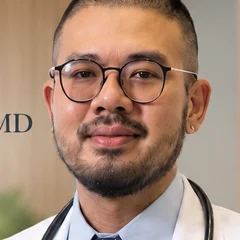
Dr. Krida Uakridathikarn (Dr. Kris)
Board-certified family physician with certificate training in clinical sexology and sexual medicine. He works at Suratthani Hospital and provides sexual health, hormone and LGBTQ+ inclusive care at Dr. Kris Clinic. Profile and CV
References
- WHO Consolidated HIV, viral hepatitis and STI guidelines for key populations (2022)
- BASHH: Clinical Standards for Sexual Health Management of People Involved in Sex Work (2022)
- CDC STI Guidelines: Screening Recommendations
Keep reading
Main guide: Gender-affirming care
 Understanding the Dimensions of Sex and Gender
 Gender Identity and Sexual Orientation: The Difference and Why It Matters
 Non-binary Identities: Healthcare That Respects Individual Goals
This article is general education, not personal medical advice or a promise of results. Diagnosis and treatment require assessment by a doctor. Content reflects the cited sources as of the update date.