TikTok@kriscarespace
Follow ↗
TikTok could not load its embedded profile in this preview. Open our TikTok profile to watch the videos.
Watch on TikTok ↗When love, partnership or life at home starts to feel too heavy to carry alone, Kris Care Space offers a safe place to talk. We provide couples and family counseling, and use art and guided activities as tools for healing, led by a family physician who looks at physical health, emotional wellbeing and relationships together.
Relationship strain rarely starts with one big event. It usually builds from small things that never got talked about.
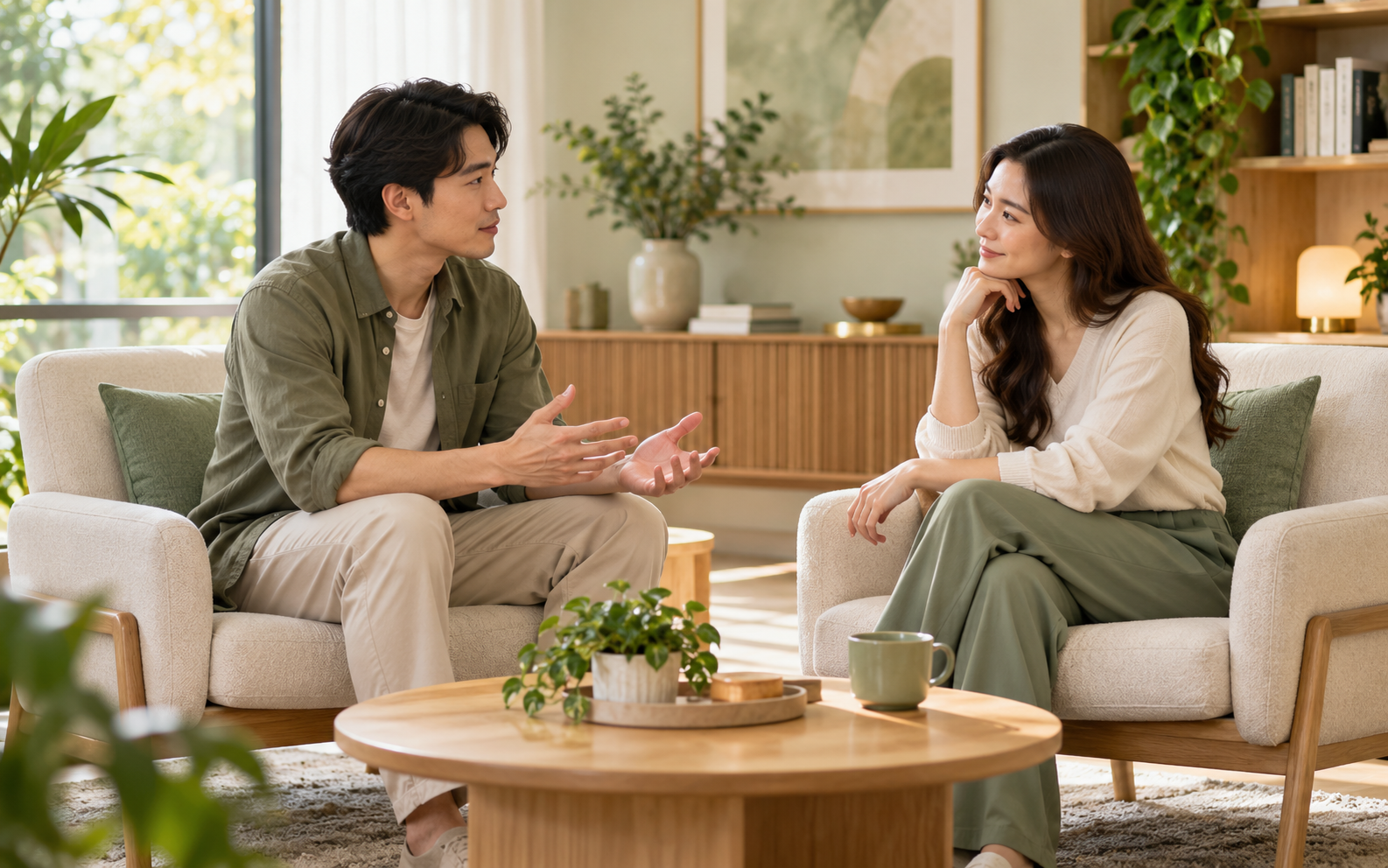 Every conversation becomes an argumentor you go quiet to keep the peace, and drift apart.Read more →
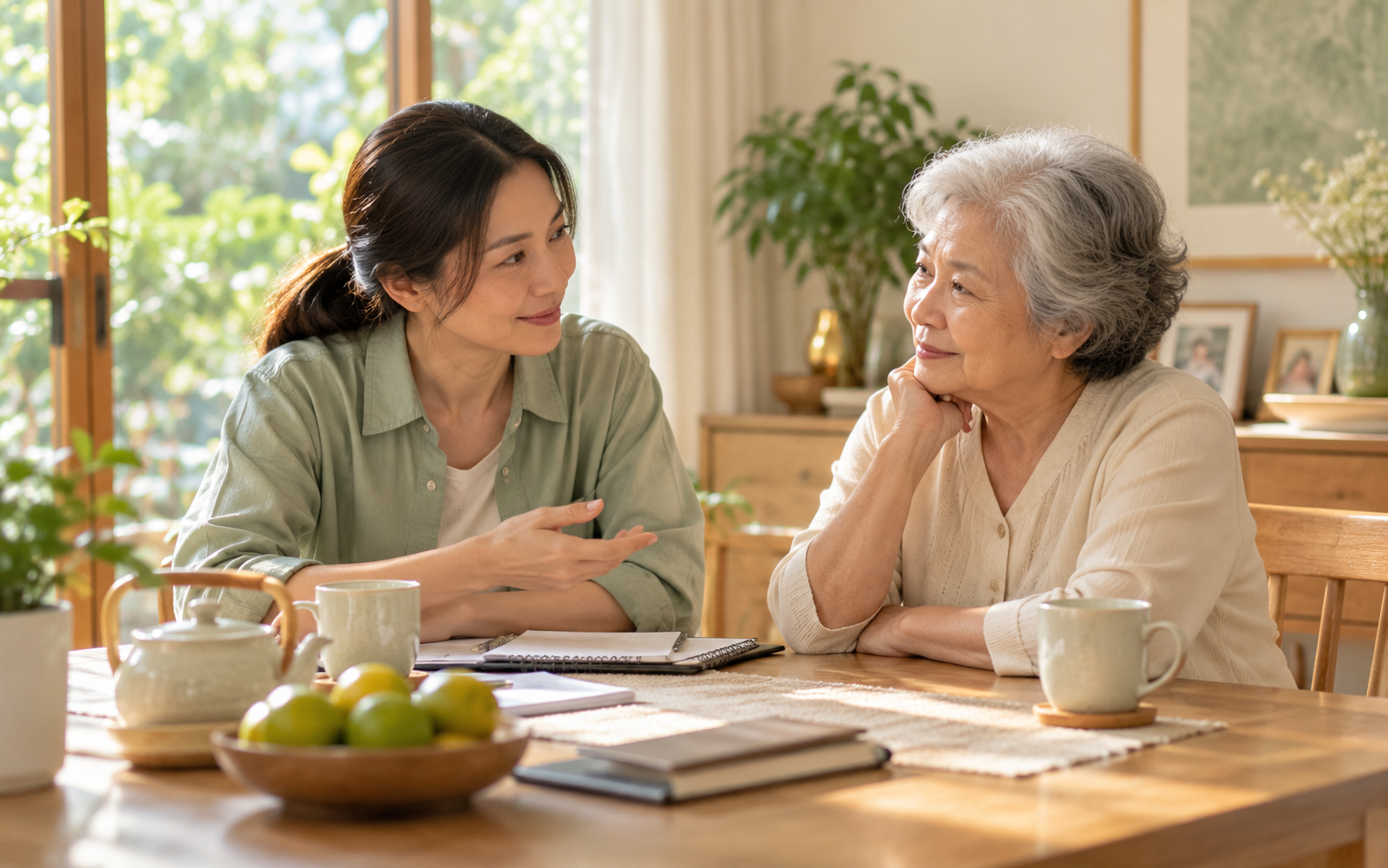 Family pressurefrom work, children, money, or caring for ageing parents.Read more →
 Big life transitionsmarriage, a new baby, relocating to Thailand, illness or loss.Read more →
 Intimacy affecting the relationshipmismatched desire or worries about sexual performance.Read more →
 Trust has been shakenand you are not sure how to begin repairing it.Read more →
 You are simply exhaustedand need somewhere to pause and make sense of how you feel.Read more →
Start with whichever feels right. The doctor will help you choose the approach that fits, and you can adjust it together as you go.
A structured, safe space where everyone gets to speak and be heard. We look at the communication patterns that keep you stuck and agree on practical changes you can use day to day. The doctor acts as a neutral guide and does not take sides.
The first session focuses on hearing each person’s story and assessing stress, physical and emotional health, and safety in the relationship. Later sessions practise communication, map the conflict cycle and agree on something to try at home, then review it together.
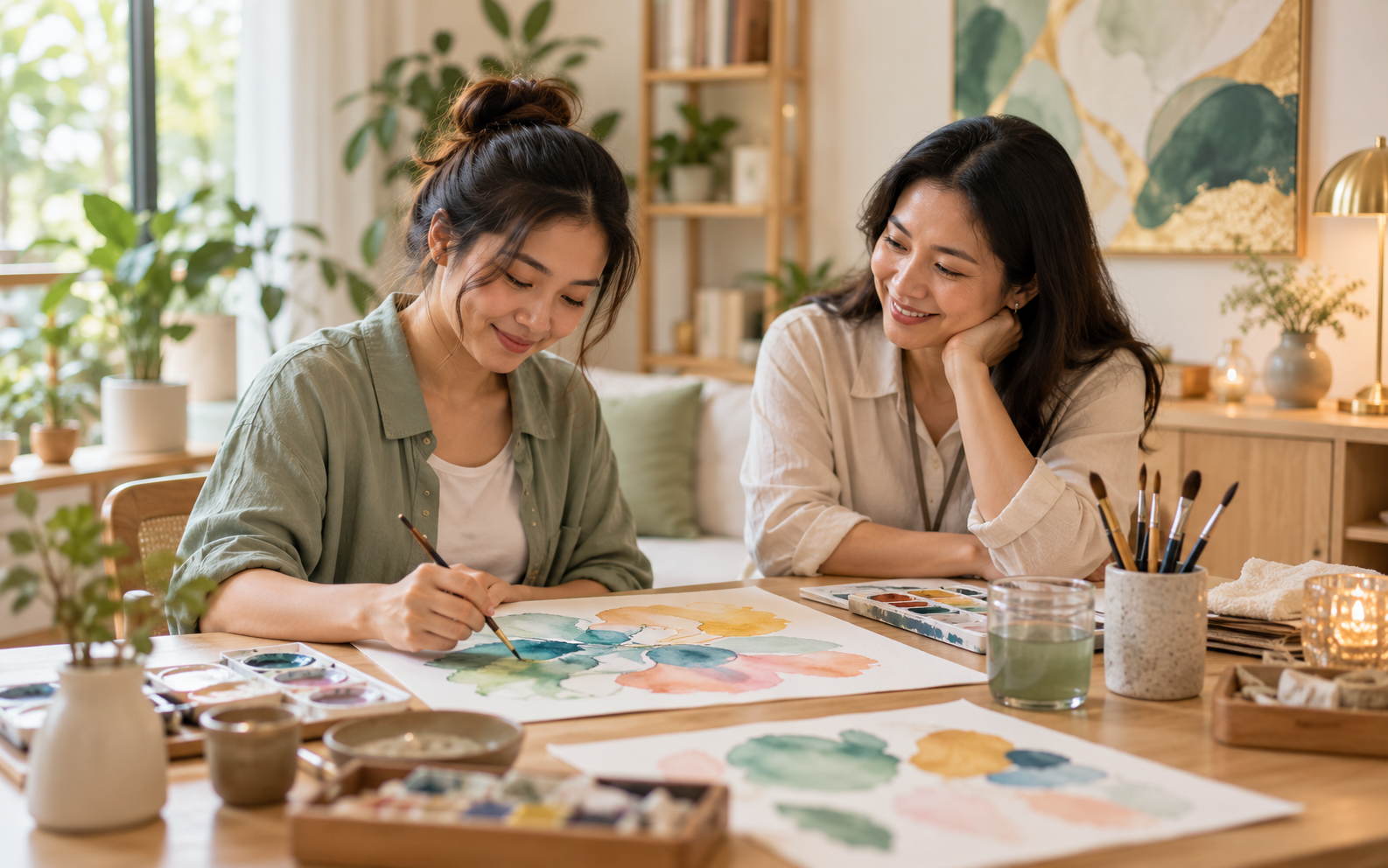
Drawing, painting, clay or collage become a second language for feelings that are hard to say out loud. No artistic skill is needed and nothing is judged on how it looks. What matters is the process and the story within the work.
Each session starts with a short settling-in exercise, then a creative task chosen to suit your goals, followed by talking about what you see and feel in the work. You interpret your own work; the doctor helps connect what you discover to everyday life.
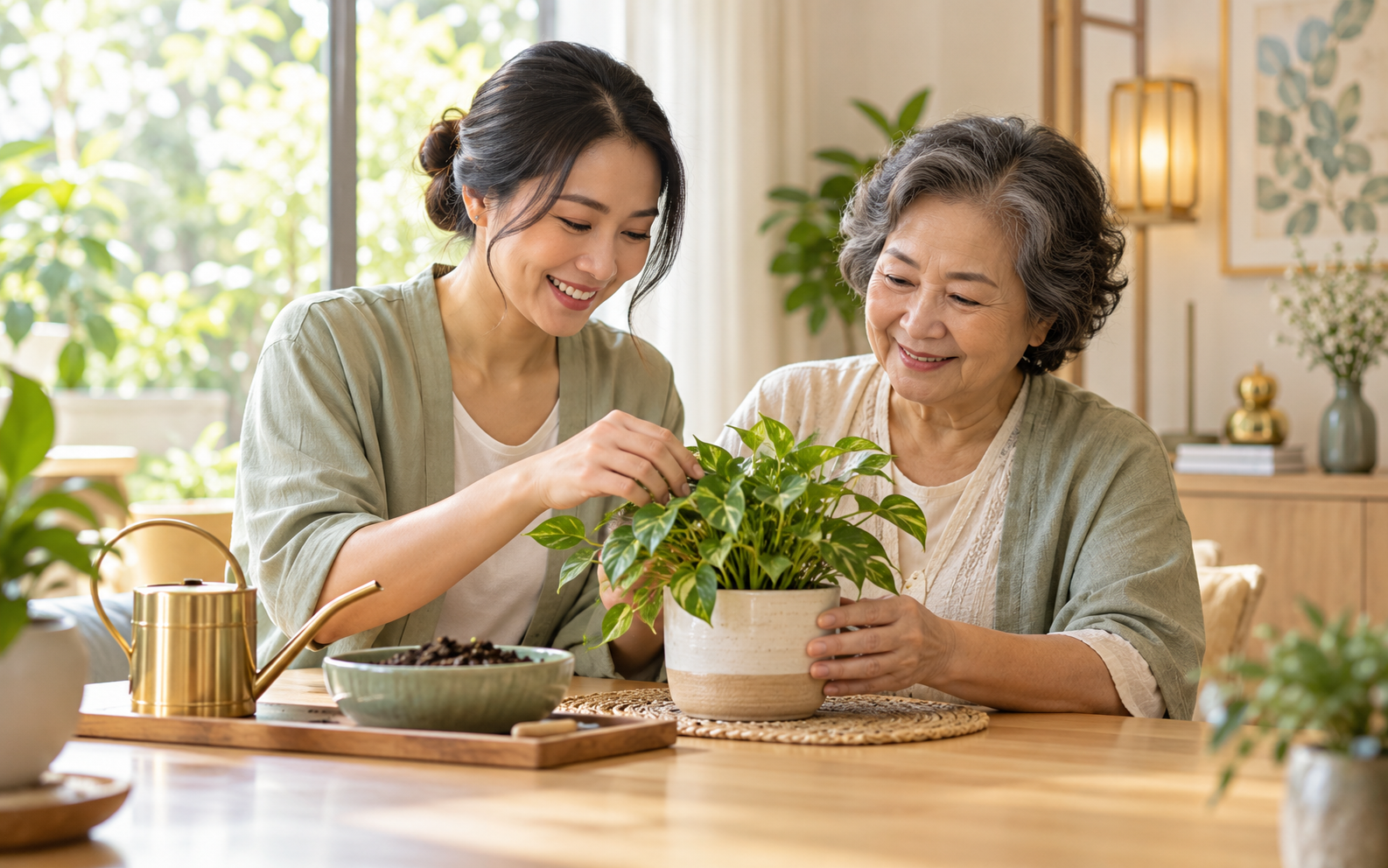
Meaningful activity becomes a tool for restoring wellbeing and connection, from relaxation and rebalancing daily routines to activities shared as a family. Plans are built around each person’s time, physical health and interests.
We start by looking at your daily routine, what used to bring enjoyment and what drains your energy. Then we plan realistic activities step by step, track which ones lift mood and connection, and adjust the plan together.
A summary of the evidence behind Kris Care Space: how relationships affect physical and mental health, what research shows for couples counselling, art therapy and therapeutic activities, and the limits of that research.
Family medicine sees each person's health as connected to their family and relationships, and population research supports this. A meta-analysis of 148 studies with more than 300,000 participants found that people with stronger social relationships had about 50% higher odds of survival over the follow-up period, an effect comparable to well-known risk factors such as smoking.[1]
For couples specifically, a meta-analysis of 126 studies with more than 72,000 participants found that better marital quality was linked with better health, including lower mortality and smaller rises in heart rate and blood pressure during conflict. Individual effects were small but consistent.[2]
Physical mechanisms have been studied too. In an experiment with 42 married couples, those with consistently hostile interactions during a conflict discussion healed small experimental wounds at only about 60% of the rate of low-hostility couples, and showed higher levels of inflammatory markers.[3]
The reverse is also true: chronic illness, erectile dysfunction, the postnatal period or caring for ageing parents can all strain a relationship. Good care looks in both directions at once.
Relationship satisfaction. A 2020 meta-analysis found that couple therapy improved relationship satisfaction and communication compared with no treatment.[4]
Depression. A Cochrane systematic review found couple therapy reduced depressive symptoms about as much as individual therapy, and reduced relationship distress more, especially in already distressed couples. The certainty of evidence is low because the trials are small.[5]
Other adult problems. A review in the Journal of Family Therapy concluded that couple, family and systemic interventions are supported for a range of problems, including relationship distress, psychosexual problems, anxiety and mood disorders, alcohol problems and adjustment to chronic physical illness, whether used alone or alongside other treatment.[6]
A WHO Regional Office for Europe review of more than 3,000 studies concluded that the arts play a role in promoting health, preventing ill health and supporting treatment across the life course, including mental health.[7]
For art therapy specifically, a systematic review of 11 randomised trials in people with non-psychotic mental health conditions found benefits on symptoms compared with controls in 7, although most trials were of limited quality and at risk of bias.[8] Another review of art therapy in adults reported benefits across several groups, including people with cancer, depression or anxiety and older adults, while calling for higher-quality studies.[9]
Art helps because it offers a “second language” for feelings that are hard to put into words, reduces the pressure of having to speak directly, and lets couples and families see each other's perspective.
Therapeutic activities at Kris Care Space focus on meaningful activity, a balanced daily rhythm and quality time together. This is consistent with behavioural activation, which NICE lists as an evidence-based treatment option for depression.[10]
Movement matters too. A 2024 network meta-analysis in the BMJ of 218 studies and more than 14,000 participants found that walking or jogging, yoga, strength training and tai chi reduced depressive symptoms, although certainty of evidence was low to very low.[11]
Evidence for couple therapy is relatively robust, while art therapy and activity-based approaches still rely on small studies of mixed quality, so results vary between people. We use these approaches as part of whole-person care, review what is working for you, and do not promise more than the evidence supports. If a condition needs specialist treatment, such as severe depression, we coordinate referral to a psychiatrist.
| Approach | What the evidence shows |
|---|---|
| Couples counselling | Better relationship satisfaction, less relationship distress, and benefit for depression similar to individual therapy[4][5] |
| Family and systemic approaches | Supported for many adult problems, including adjusting to chronic illness[6] |
| Art therapy | Symptom benefits in many, but not all, studies[8][9] |
| Activity and movement | Behavioural activation and exercise reduce depressive symptoms[10][11] |
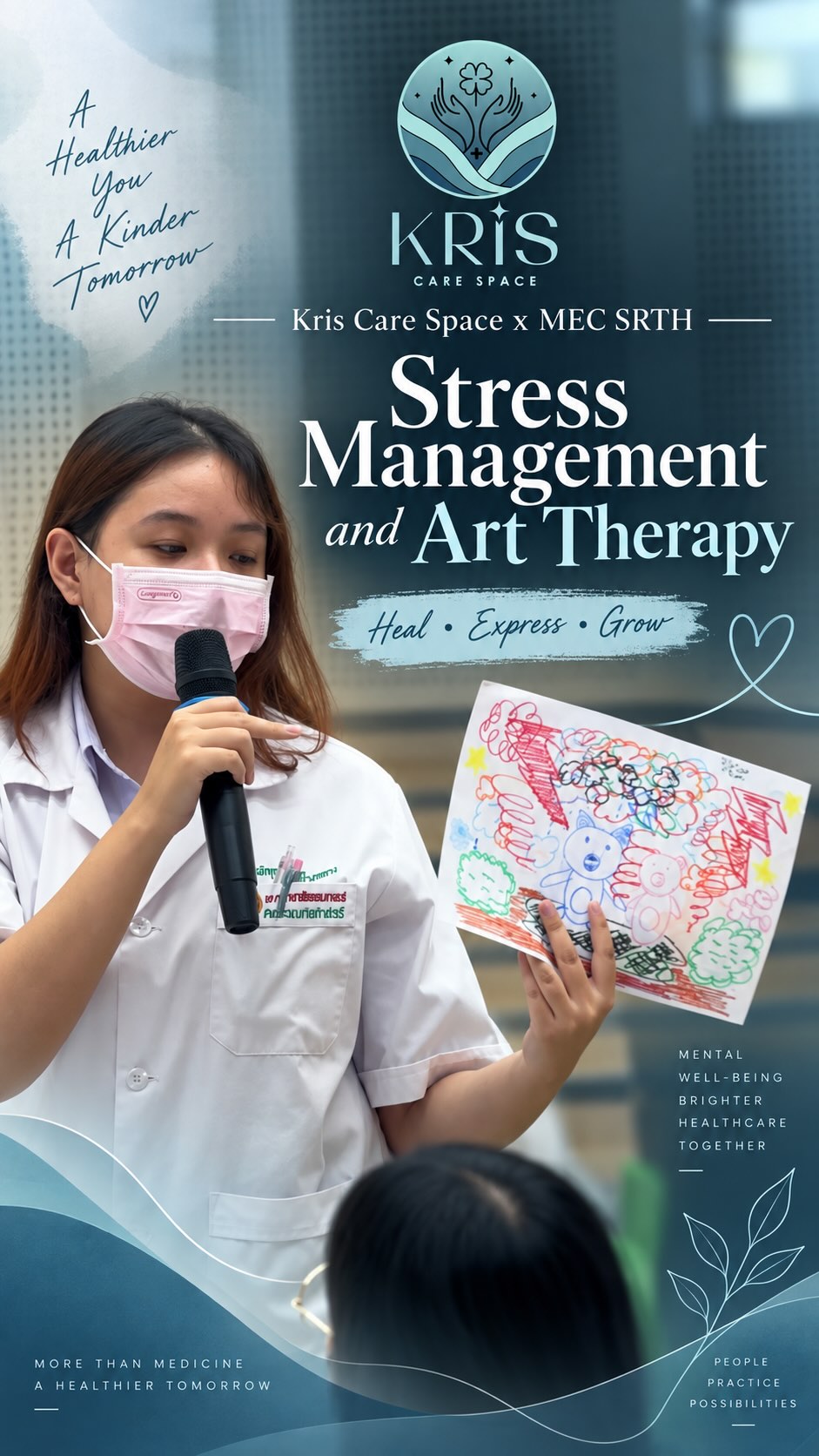
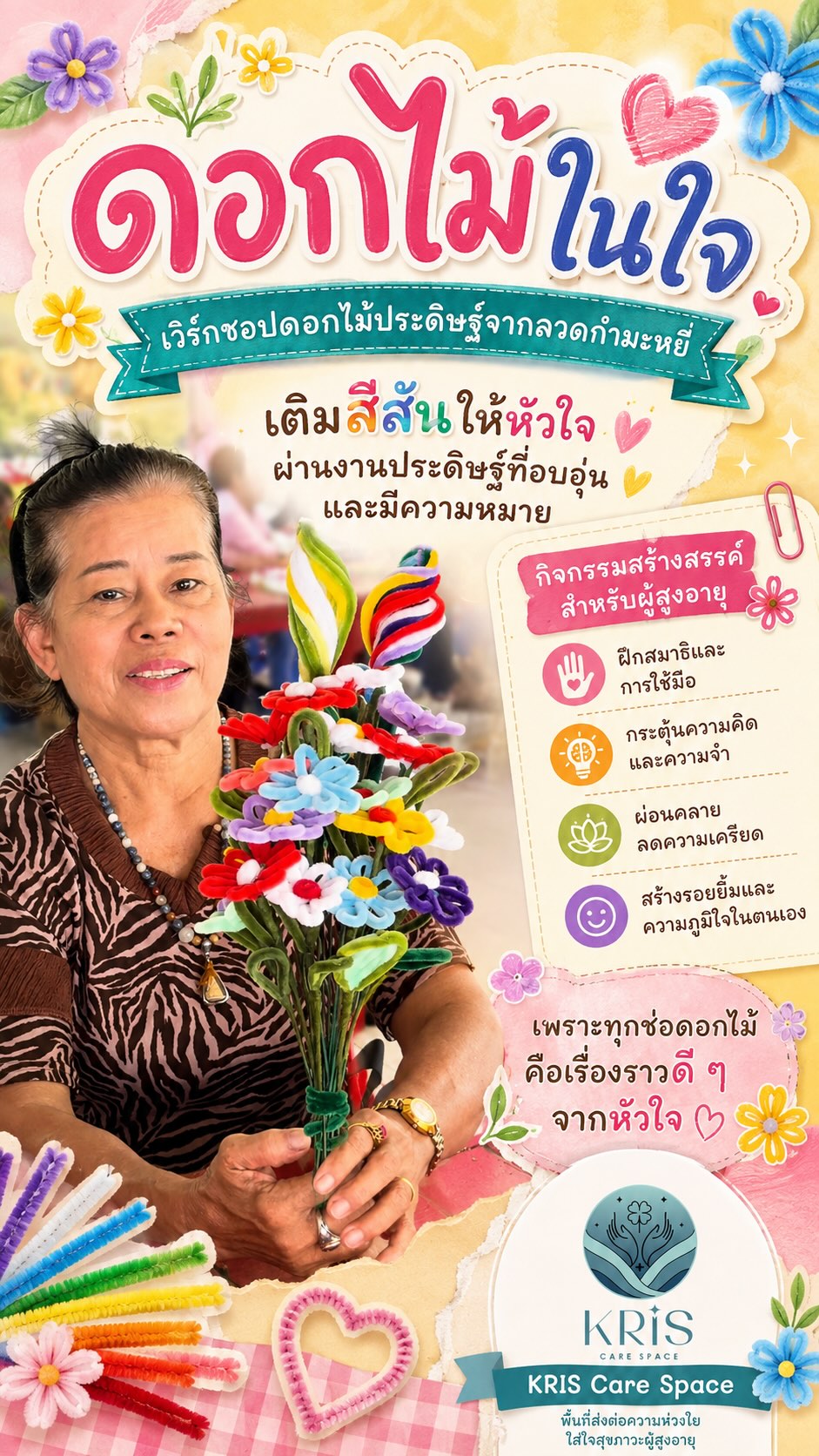
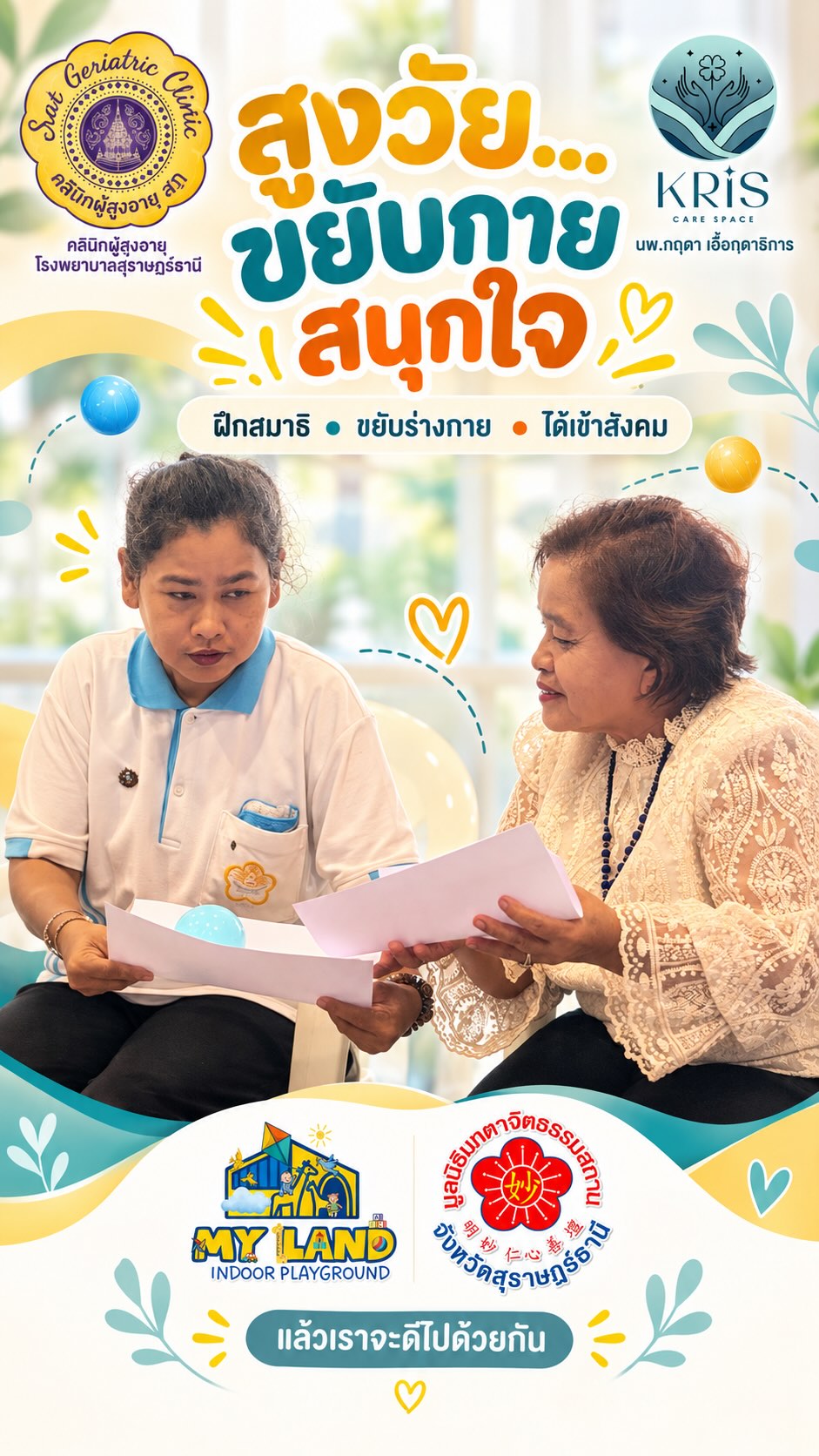
Beyond sessions at the clinic, Kris Care Space runs art, music and movement activities with the community, the hospital and international conferences. Examples from recent activities:
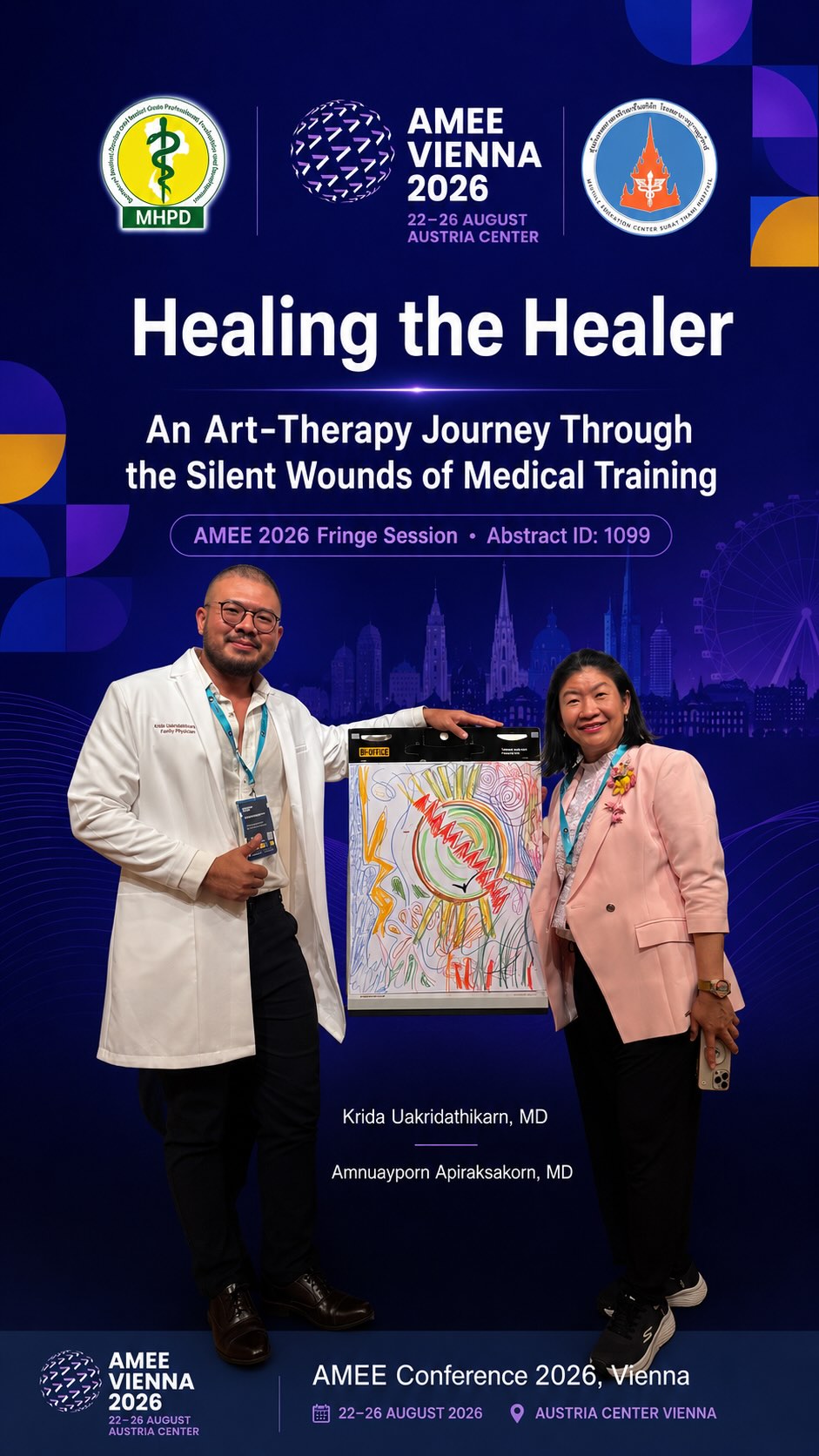
TikTok could not load its embedded profile in this preview. Open our TikTok profile to watch the videos.
Watch on TikTok ↗Conversations about emotional well-being and relationships. Visit our Threads profile.
Open profile ↗Content is provided by each platform. If it does not load, open the profile directly.
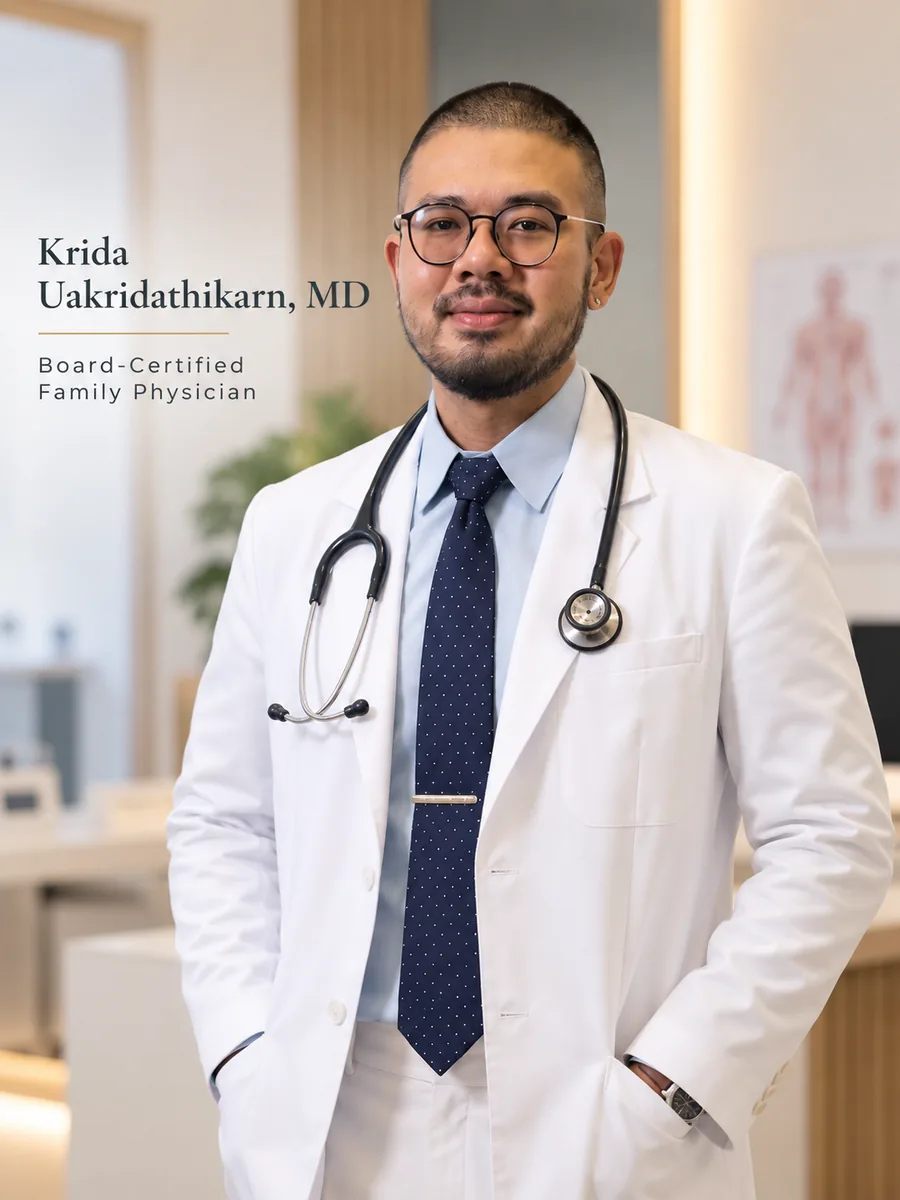
Family physician with certificate training in clinical sexology and sexual medicine. He works at Suratthani Hospital across its Medical Education Center, geriatric clinic and palliative care service. Years of supporting patients and families through difficult moments are at the heart of Kris Care Space.
Kris Care Space is a safe space for emotional and relationship care, part of Dr. Kris Clinic in Surat Thani, Thailand, led by family physician Dr. Krida Uakridathikarn. It offers couples and family counselling, art therapy and therapeutic activities, and runs community art and music activities for emotional wellbeing.
No. Many people start on their own and invite a partner or family member to join later, when they feel ready.
Not at all. Art is used as a way to express what is hard to put into words. Nothing is judged on how it looks.
Yes. Every kind of relationship and family is welcome, and sessions are available in English or Thai.
Yes, under medical professional standards. The only exception is a risk to someone's life or safety, which the doctor will discuss with you first.
Private sessions at Dr. Kris Clinic, Surat Thani, the mainland gateway to Koh Samui, Koh Phangan and Koh Tao. Tue–Fri 17:00–20:00 · Sat–Sun 10:00–15:00 (Thailand time, UTC+7)
Book online WhatsApp LINE @dr.krisclinicThese services provide counseling and wellbeing activities. They do not guarantee outcomes and do not replace psychiatric care where it is needed; the doctor will assess and refer when appropriate.
Illustrative images generated with AI; not actual patients.