
What does non-binary mean?
Non-binary is an umbrella term for gender identities not exclusively within a man/woman binary.[1] Some non-binary people feel between man and woman, some have no gender (agender), and some feel their gender shifts over time (genderfluid).
Experiences and the words people use differ, and none is right or wrong.[1]
Services that include everyone
Many health services are designed only for men or women, from registration forms to how people are addressed. Non-binary people often feel there is no place for them and avoid healthcare.[1]
Inclusive services make room for individual goals and encourage people to come for the screening and prevention they need.
Diversity is not a disease
Diverse identities are not diseases.[2] Survey proportions depend on wording, terminology and safety in disclosure. Data specifically on non-binary people remain limited because many surveys offer only male or female.
Different experiences
Some people use non-binary for identities that are not exclusively male or female, but experiences differ.[1],[2]
- Some want no medical treatment and are comfortable with their bodies.
- Some want certain changes, such as hormones at different doses or specific surgery.
- Pronouns vary; some people prefer to avoid gendered terms.
What to ask in care
Good care starts with asking, not assuming.[1],[2]
- Name and pronouns.
- Goals for the visit.
- Clinically relevant anatomy, to guide appropriate screening.
Do not assume that everyone wants hormones or surgery.
Gender-affirming care and its limits
People seeking gender-affirming care can discuss their specific goals with a specialist team, guided by the WPATH Standards of Care, Version 8.[1]
Limits of hormones. Lower doses do not allow each effect to be chosen independently, and unwanted permanent changes can still occur, such as voice deepening with testosterone.[1]
Before starting, discuss the limitations of treatment, effects on fertility and preservation options, and monitoring.[1],[2]
How we care for you at Dr. Kris Clinic
We ask for your name and pronouns and make no assumptions about wanting any treatment, in English or Thai. We provide sexual health care, STI testing and HIV prevention based on your actual body and activities.
If you are interested in gender-affirming care, we provide initial information and refer you to a specialist team, and Kris Care Space offers a safe space to talk about identity and relationships.
Frequently asked questions
Do non-binary people need hormones?
No. An identity does not need medical treatment to be valid.
With low-dose hormones, can I choose which effects I get?
Not fully. Low doses can still cause unwanted permanent changes, so discuss this with a specialist.
Why does the doctor ask about my anatomy?
To choose screening that fits your actual body, such as cervical or prostate checks.
Do hormones affect fertility?
They can. Discuss fertility and egg or sperm preservation before starting.
Respect individual goals and explain the limits on selecting hormone effects.[1] An identity does not depend on treatment to be valid.
Talk to a doctor about this
Confidential care in Surat Thani, the mainland gateway to Koh Samui, Koh Phangan and Koh Tao. Tue–Fri 17:00–20:00 · Sat–Sun 10:00–15:00 (UTC+7)
Book a visit LINE @dr.krisclinic WhatsAppYour appointment is confirmed once the booking system or the clinic confirms it.
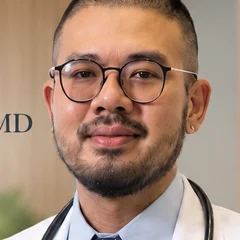
Dr. Krida Uakridathikarn (Dr. Kris)
Board-certified family physician with certificate training in clinical sexology and sexual medicine. He works at Suratthani Hospital and provides sexual health, hormone and LGBTQ+ inclusive care at Dr. Kris Clinic. Profile and CV
References
- WPATH Standards of Care, Version 8 (2022)
- WHO: Gender incongruence and transgender health in ICD-11
- WHO: Gender and health
Keep reading
Main guide: Gender-affirming care
 Understanding the Dimensions of Sex and Gender
 Gender Identity and Sexual Orientation: The Difference and Why It Matters
 Consent and Safer Sex: The Foundations of Sexual Health
This article is general education, not personal medical advice or a promise of results. Diagnosis and treatment require assessment by a doctor. Content reflects the cited sources as of the update date.