


What is consent?
Consent means agreeing to sexual activity voluntarily and clearly, with the freedom to withdraw at any time.[1] The World Health Organization describes sexual health as including safe, pleasurable sexual experiences free of coercion, discrimination and violence.[1]
STI and pregnancy prevention should likewise be discussed and agreed without pressure.
Consent and prevention go together
Consent and prevention protect both people and respect each other's bodily autonomy.[1] Talking about prevention before sex does not spoil the mood; it builds trust.
Risk depends on activity and prevention
Consent is not something measured as a disease rate.[1] STI and pregnancy risks need to be assessed according to the actual activity and prevention used, not a person's identity.
The principles of consent
- Voluntary: no threats, pressure or abuse of power.
- Specific: agreeing to one activity is not agreeing to everything.
- Reversible: it can be withdrawn at any time, even after starting or after agreeing before.
- Given with capacity: someone who is very drunk, unconscious or drugged cannot consent.
Silence or not resisting is not consent.
Things to review beforehand
- Communication and boundaries: what each person does and does not want.
- Alcohol or drug use, which affects decision-making.
- Prevention suited to the activity, for both STIs and pregnancy.
Practical prevention tools
Condoms: use correctly from start to finish, and change to a new condom when switching sites, for example from anal to vaginal.[1],[2]
Lubricant: water- or silicone-based lubricant reduces friction and breakage. Oil-based products, such as lotion or baby oil, weaken latex condoms and can cause them to break.[2]
Other prevention: vaccines such as hepatitis B and HPV, regular testing, PrEP for HIV, and contraception.[2],[3]
When prevention fails, such as a broken condom, seek prompt assessment for HIV PEP within 72 hours and emergency contraception if pregnancy is possible.[2],[3]
How we care for you at Dr. Kris Clinic
We advise on prevention that suits you without judgement, including condoms, PrEP, vaccines and screening, in English or Thai. When prevention fails, we assess for PEP and emergency contraception promptly.
If you have had a non-consensual experience, we provide confidential medical care, assess infection and pregnancy prevention, and help connect you to appropriate support.
Frequently asked questions
I agreed earlier. Can I change my mind partway through?
Yes. Consent can be withdrawn at any time, and the other person must stop.
Can I use lotion or oil instead of lubricant?
Not with latex condoms, as they weaken and can break. Use water- or silicone-based lubricant.
The condom broke. What should I do?
Seek PEP assessment within 72 hours, emergency contraception if pregnancy is possible, and STI testing at the right times.
Can someone who is very drunk give consent?
No. Someone too intoxicated to make decisions cannot consent.
Ask, listen and agree on prevention together.[1] Consent must be voluntary, clear and reversible at any time.
Talk to a doctor about this
Confidential care in Surat Thani, the mainland gateway to Koh Samui, Koh Phangan and Koh Tao. Tue–Fri 17:00–20:00 · Sat–Sun 10:00–15:00 (UTC+7)
Book a visit LINE @dr.krisclinic WhatsAppYour appointment is confirmed once the booking system or the clinic confirms it.
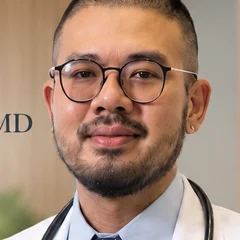
Dr. Krida Uakridathikarn (Dr. Kris)
Board-certified family physician with certificate training in clinical sexology and sexual medicine. He works at Suratthani Hospital and provides sexual health, hormone and LGBTQ+ inclusive care at Dr. Kris Clinic. Profile and CV
References
- WHO: Defining sexual health and sexuality
- CDC STI Treatment Guidelines (2021; current online guidance)
- CDC HIV Nexus: Clinical Guidance for PrEP (current page)
Keep reading
Main guide: Gender-affirming care
 Understanding the Dimensions of Sex and Gender
 Gender Identity and Sexual Orientation: The Difference and Why It Matters
 Non-binary Identities: Healthcare That Respects Individual Goals
This article is general education, not personal medical advice or a promise of results. Diagnosis and treatment require assessment by a doctor. Content reflects the cited sources as of the update date.