Semen Analysis: Who Should Test and How to Read the Results
A semen analysis is simple, painless and very informative. Learn who should have one, how to prepare and how to understand the results.



Key points
- Male factors are involved in about half of couples with infertility, and semen analysis is a simple, painless first test.
- Abstain from ejaculation for 2–7 days, collect the whole sample by masturbation, and deliver it within 1 hour.
- Reference values are statistical cut-offs, not a fertile/infertile line; abnormal results should be repeated.
Many men never imagine they'll need a semen test, until the day they and their partner have been trying for a baby for a long time without success. In fact, male factors are involved in roughly half of couples with infertility. A semen analysis is simple, painless and gives a lot of information.
What is a semen analysis?
It is a laboratory test of a semen sample to look at the volume, the number, movement and shape of the sperm, as well as chemical features and other cells. The World Health Organization (WHO) updated its laboratory manual to the 6th edition in 2021, which most laboratories use as their reference today.
Who should be tested
- Couples who have been trying for 12 months without pregnancy, or 6 months if the female partner is 35 or older
- Men with risk factors, such as mumps affecting the testicles, undescended testicles, varicocele (enlarged veins in the scrotum), or previous surgery or injury to the testicles
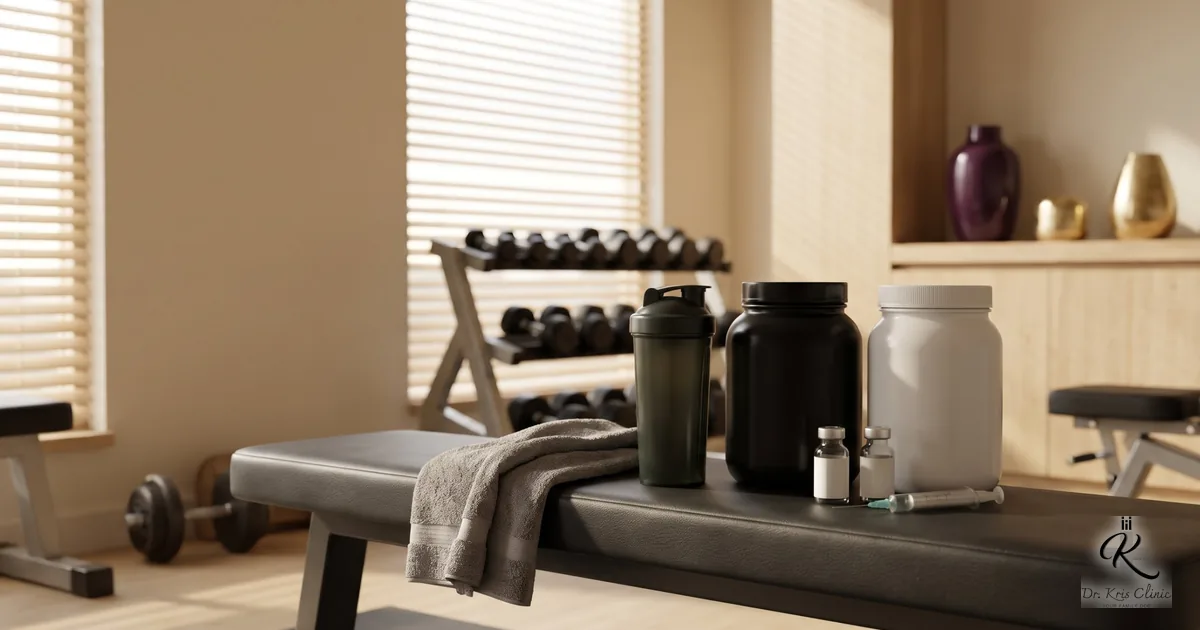
- Men who have used, or are using, testosterone or muscle-building steroids and are planning to have children
- After a vasectomy, to confirm there are no sperm left
- Before chemotherapy or other treatment that may affect the testicles, to consider sperm banking
A semen analysis is not the main test for erection problems or premature ejaculation. Those have their own assessment. See Erectile dysfunction (ED) and Premature ejaculation (PE).
Preparing for the test
- Abstain from ejaculation for 2–7 days, not too short or too long, because it affects volume and movement.
- Collect the sample by masturbation into the sterile container the laboratory provides, and collect all of it; the first part of the ejaculate contains the most sperm.
- Don't use lubricant or saliva, and don't use ordinary condoms, because they can damage sperm.
- Deliver it within 1 hour, kept close to body temperature, if collected away from the lab.
- Tell the staff if you didn't collect the whole sample, or if you had a high fever in the previous 2–3 months.
- 1Abstain 2-7 daysNot too short, not too long
- 2MasturbateInto a sterile container; collect all of it
- 3No gel or salivaAlso no ordinary condoms; they can harm sperm
- 4Deliver within 1 hourKeep near body temperature
- 5Tell the staffIf any was lost, or a high fever in the past 2-3 months
Reference values from the WHO 6th edition (2021)
The figures below are lower reference limits (5th percentile) from men whose partners became pregnant within 1 year. They are not a line between "can have children" and "can't have children".
| Measure | Lower reference limit |
|---|---|
| Semen volume | 1.4 mL |
| Sperm concentration | 16 million/mL |
| Total sperm count | 39 million |
| Total motility | 42% |
| Progressive motility | 30% |
| Normal morphology | 4% |
| Vitality (live sperm) | 54% |
| pH | 7.2 or higher |
The laboratory will also report the liquefaction time, viscosity, sperm clumping (agglutination) and white blood cells, which may suggest inflammation or infection.
Volume
- Semen 1.4 mL
- pH 7.2 or higher
Count
- Concentration 16 million/mL
- Total 39 million
Movement
- Total motility 42%
- Progressive 30%
Shape and vitality
- Normal shape 4%
- Alive 54%
These are 5th percentile values, not a line between fertile and infertile. Repeat abnormal results.
Terms you may see on the report
- Oligozoospermia: low sperm count
- Asthenozoospermia: low sperm movement
- Teratozoospermia: few normally shaped sperm
- Azoospermia: no sperm found
- Leukocytospermia: many white blood cells
What to do if the result is abnormal
- Repeat the test at least several weeks apart, because semen values naturally vary a lot. The AUA/ASRM guideline recommends assessing at least 2 results when the first is abnormal.
- History and physical examination, especially of the testicles, the vas deferens and any varicocele.
- Hormone blood tests, such as FSH, LH and testosterone, in suitable cases. Read Testosterone basics.
- Further tests, such as scrotal ultrasound or genetic testing in some cases.
- Referral to a urologist or fertility specialist when needed.
Important to know about hormones and steroids
Read more in What is TRT and who is it for? and Steroids and PEDs: risks and recovery.
Looking after semen quality through lifestyle
- Stop smoking, cut down on alcohol and avoid recreational drugs
- Control your weight and exercise regularly
- Avoid heat on the testicles for long periods, such as frequent saunas or a laptop on your lap
- Get sexually transmitted infections fully treated, as they can block the sperm ducts
- Get enough sleep and manage stress
Sperm production takes about 2–3 months, so changes show up only after that.
Where to get tested, and how the clinic can help
At Dr. Kris Clinic we give advice before the test, explain privately how to prepare and collect the sample, interpret the results in plain language, check related hormones, and plan next steps with you and your partner, including referral to a fertility service when needed. Consultations in English are available.
Related case stories from Dr. Kris
Dr. Kris Case: Erection Problems When Trying for a BabyEase pressure with accurate information, check for physical causes, and never self-prescribe male hormones when trying to conceiveWant help with this? Three simple steps
Reading is a good start. When you are ready, check where you are, see how a consultation works, then book a time that suits you.
 1Free 2-minute self-checkSexual-health self-check — see your result instantly and send it to the doctor if you like.Start the self-check →
 2See the steps and feesIndividual from 990 THB · couple 1,590 THB · 30–60 minutes, at the clinic or online via MCS Telemedicine.How a consultation works →
 3Book with the doctorPick a time online or message us on LINE. Come on your own or with your partner. Payment confirms the booking.Book online →
Self-checks are a guide only and do not replace a doctor's assessment. Outcomes vary from person to person, depending on the severity of symptoms, the complexity of the problem and other factors.
Worried about sexual performance?
Talk to a doctor in private. We look at physical, hormonal and vascular causes before choosing the treatment that suits you.
Every medicine and service requires a doctor's assessment first.
Frequently asked questions
How many days should I avoid sex before a semen analysis?
Abstain from ejaculation for 2–7 days before collecting the sample, and try to use a similar abstinence period if you need to repeat the test, so the results can be compared.
My results are below the reference values. Does that mean I can't have children?
No. Reference values are only a statistical guide; many men with values below the cut-off still father children. Repeat the test and assess it with your doctor together with your partner's factors.
I'm on TRT and want a child. What should I do?
Tell your doctor first, because testosterone from outside the body suppresses sperm production. The doctor may plan to stop or change your treatment and monitor your semen results.
อ่านบทความนี้เป็นภาษาไทย
ตรวจวิเคราะห์น้ำเชื้อ (Semen Analysis) ใครควรตรวจ อ่านผลอย่างไร →
References
- World Health Organization. WHO laboratory manual for the examination and processing of human semen. 6th edition. 2021
- Schlegel PN, et al. Diagnosis and treatment of infertility in men: AUA/ASRM guideline part I. J Urol. 2021;205(1):36-43
- European Association of Urology. EAU Guidelines on Sexual and Reproductive Health. 2025
This article is for education and does not replace diagnosis or treatment by a doctor. If you have symptoms or concerns, please see a doctor.