
PEP is a 28-day treatment
Post-exposure prophylaxis (PEP) is a combination of antiretroviral medicines taken for 28 days after a significant exposure. It must start urgently and be followed up; it is not a one-off tablet.[1]
Many people focus on starting in time, which is right, but completing the course and follow-up testing matter just as much.
Why finishing the course matters
PEP works best when taken every day for the full 28 days as prescribed. Frequently missed doses or stopping early may reduce protection.[1] Follow-up testing after the course confirms that infection did not occur and helps plan future prevention.
Risk depends on the event
The chance of infection from one event depends on the type of exposure, other prevention and the partner's viral load.[1] Being advised to take PEP does not mean infection is certain; it means the risk is high enough to justify full prevention.
How the medicines work
PEP combines several antiretrovirals to stop the virus multiplying while infection is not yet established. Medicine levels must stay adequate throughout, so doses are taken every day at a similar time until the course is complete.[1],[2]
The regimens recommended in the CDC's 2025 guidance are far better tolerated than older ones, and most people have few or no side effects.[1]
Tests before starting
Baseline tests are done as appropriate: HIV, kidney and liver function, hepatitis B and C, pregnancy for anyone who could be pregnant, and other STIs according to risk.[1],[2]
Importantly, indicated PEP should not wait for every result. If PEP is indicated, it starts immediately and the plan is adjusted once results arrive.[1]
During and after the course
Early review. Your doctor will usually check in early in the course to see how you are managing doses and side effects.[1] Possible side effects such as nausea, diarrhoea, headache or tiredness are usually mild and settle.
If you miss a dose, take it as soon as you remember. If it is nearly time for the next dose, skip the missed one and carry on as usual. Do not double up, and tell your doctor if you miss doses often.
Follow-up HIV testing. The CDC 2025 guidance recommends HIV testing at 4–6 weeks and 12 weeks after the exposure.[1] Because antiretrovirals can affect detection, follow your doctor's PEP-specific testing plan rather than relying on self-tests alone.[1],[2]
After the course, if your risk continues, talk about PrEP, which can start straight after PEP once an HIV test is negative.[1],[3]
How we care for you at Dr. Kris Clinic
When you start PEP with us, we explain how to take it, possible side effects and what to do if you miss a dose, and give you a LINE contact for questions throughout the course, in English or Thai. We schedule follow-up testing in line with guidance and explain your results.
When the course ends, we help assess whether PrEP suits you and screen for other STIs according to risk. Every step is confidential and judgement-free.
Frequently asked questions
Can I have sex while taking PEP?
Use condoms or avoid sex throughout the course and until follow-up testing confirms you are not infected.
I feel very nauseous. Should I stop?
Do not stop yourself. Contact your doctor, who can suggest ways to ease it or switch to a suitable alternative.
Can I use a self-test?
It can add information, but follow the testing plan your doctor sets, because antiretrovirals can affect detection.
I've finished the 28 days. What now?
Have HIV tests at 4–6 weeks and 12 weeks after the exposure as scheduled, and discuss PrEP if your risk continues.
PEP usually lasts 28 days and needs a follow-up HIV testing plan.[1] Completing the course, contacting your team when problems arise and keeping test appointments give the best protection.
Talk to a doctor about this
Confidential care in Surat Thani, the mainland gateway to Koh Samui, Koh Phangan and Koh Tao. Tue–Fri 17:00–20:00 · Sat–Sun 10:00–15:00 (UTC+7)
Book a visit LINE @dr.krisclinic WhatsAppYour appointment is confirmed once the booking system or the clinic confirms it.
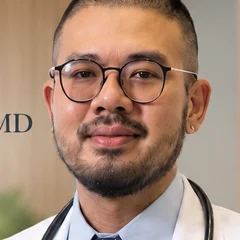
Dr. Krida Uakridathikarn (Dr. Kris)
Board-certified family physician with certificate training in clinical sexology and sexual medicine. He works at Suratthani Hospital and provides sexual health, hormone and LGBTQ+ inclusive care at Dr. Kris Clinic. Profile and CV
References
- CDC nPEP Recommendations 2025. MMWR 74(RR-1)
- CDC: Getting Tested for HIV; test window periods
- CDC HIV Nexus: Clinical Guidance for PrEP (current page)
Keep reading
Main guide: HIV & STI prevention
 PrEP vs PEP: HIV Prevention Before and After Exposure
 What to Do After a Possible HIV Exposure: The First 72 Hours
 Daily vs On-Demand (2-1-1) PrEP: Who Can Use Which
This article is general education, not personal medical advice or a promise of results. Diagnosis and treatment require assessment by a doctor. Content reflects the cited sources as of the update date.