
Two tools, two moments in time
PrEP and PEP are both antiretroviral medicines used to prevent HIV, but they are used at completely different times and are not interchangeable.[1]
- PrEP (pre-exposure prophylaxis) is taken before and during periods of possible exposure. It is planned prevention.
- PEP (post-exposure prophylaxis) is taken after an exposure has happened. It is urgent treatment that must start as soon as possible.
Put simply, PrEP is like fastening your seatbelt before driving, while PEP is like going to the emergency department after an accident. Both are valuable, in different situations.
Why the distinction matters
The difference matters because PEP is highly time-sensitive: the later it starts, the less effective it becomes. PrEP, by contrast, is planned in advance.[1] Some people believe PrEP can be taken afterwards, or that PEP can be taken “just in case” beforehand. Neither is correct.
Needing PEP repeatedly, for example several times a year, is a sign that PrEP may suit that period of life better.
What determines the risk from one exposure
The chance of infection from a single exposure depends on the type of exposure, other prevention used and the partner's viral load. Population prevalence is not the probability from one encounter.[2] For example, a partner living with HIV who has a consistently undetectable viral load on treatment does not transmit HIV sexually.
How the medicines work
PrEP ensures medicine is already in the body before the virus arrives, so the virus cannot establish itself. It is available as daily tablets, event-based dosing for some people, and long-acting injections in some countries.[1],[3]
PEP acts after the virus has entered the body, trying to stop it before infection becomes permanently established. It uses a combination of medicines taken for 28 days.[2]
How you are assessed
For both PrEP and PEP, the doctor asks about the type and timing of exposure, does a baseline HIV test and checks what other prevention is in place.[1],[2] For PEP, treatment should not wait for symptoms or for every test result. For PrEP, HIV must be ruled out before starting, and kidney function and hepatitis B checked.[1]
How they are used
PEP should start as soon as possible when indicated, generally within 72 hours of exposure, and be taken for 28 days with planned follow-up testing.[2]
PrEP is taken daily or on another schedule suited to the individual's eligibility, with HIV testing and follow-up every few months.[1] In some countries, long-acting injectable PrEP is an additional option for people who find daily tablets difficult.[3]
Neither PrEP nor PEP prevents other sexually transmitted infections such as syphilis or gonorrhoea, and neither prevents pregnancy.[1],[2] Condoms and regular screening therefore still matter.
How we care for you at Dr. Kris Clinic
We provide both PrEP and PEP confidentially and without judgement, in English or Thai. For urgent PEP, message us on LINE straight away to arrange prompt assessment; if the clinic is closed, go to a hospital that provides PEP without waiting.
For PrEP, we help choose the approach that fits your life, run baseline tests and follow up regularly with HIV, kidney and STI testing. If you have used PEP and want to move on to ongoing PrEP, we can help with that too.
Frequently asked questions
Can I take PrEP after sex?
No. PrEP must start before exposure. If you have already had a risk and were not on PrEP, seek PEP assessment within 72 hours.
I've used PEP several times. What should I do?
Talk to a doctor about PrEP, which may suit a period of ongoing risk better.
If I take PrEP, do I still need condoms?
PrEP is highly effective against HIV when used correctly, but it does not prevent other STIs or pregnancy; condoms help with those.
How long is a course of PEP?
28 days without a break, with HIV follow-up testing as planned by your doctor.
PrEP is planned prevention for ongoing risk; PEP is urgent treatment after an exposure.[1] After a risk, seek PEP assessment immediately, and plan PrEP if your risk is ongoing.
Talk to a doctor about this
Confidential care in Surat Thani, the mainland gateway to Koh Samui, Koh Phangan and Koh Tao. Tue–Fri 17:00–20:00 · Sat–Sun 10:00–15:00 (UTC+7)
Book a visit LINE @dr.krisclinic WhatsAppYour appointment is confirmed once the booking system or the clinic confirms it.
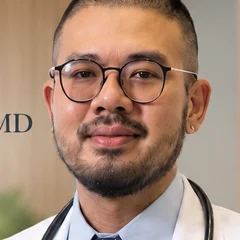
Dr. Krida Uakridathikarn (Dr. Kris)
Board-certified family physician with certificate training in clinical sexology and sexual medicine. He works at Suratthani Hospital and provides sexual health, hormone and LGBTQ+ inclusive care at Dr. Kris Clinic. Profile and CV
References
- CDC HIV Nexus: Clinical Guidance for PrEP (current page)
- CDC nPEP Recommendations 2025. MMWR 74(RR-1)
- CDC: Injectable Lenacapavir PrEP Recommendations (2025)
Keep reading
Main guide: HIV & STI prevention
 What to Do After a Possible HIV Exposure: The First 72 Hours
 After Starting PEP: The 28-Day Course and Follow-Up Testing
 Daily vs On-Demand (2-1-1) PrEP: Who Can Use Which
This article is general education, not personal medical advice or a promise of results. Diagnosis and treatment require assessment by a doctor. Content reflects the cited sources as of the update date.