


What is genital herpes?
Genital herpes is caused by herpes simplex virus (HSV) type 2, or type 1, which was traditionally more common around the mouth. It causes clusters of small blisters that break into shallow, painful sores on the genitals, anus or thighs.[1]
The good news is that herpes can be controlled and recurrences reduced, even though antiviral medicines do not eliminate the latent virus.[1] Most people with herpes live and have relationships normally.
Accurate information helps a great deal
A herpes diagnosis often brings shock, shame or worry about relationships. Accurate information supports good symptom care and prevention, and avoids jumping to conclusions about infidelity.[1]
One key fact: herpes can remain latent for years without symptoms. A first outbreak during a current relationship does not mean a partner has been unfaithful.
How common is it?
The World Health Organization estimated that in 2020 about 520 million people, around 13% of people aged 15–49 worldwide, had HSV-2.[4] Many people with the infection have never had noticeable sores and do not know they carry it.
Why herpes comes back
After the first infection, the virus settles in nerve ganglia near the spinal cord and can reactivate from time to time, causing new sores or shedding virus from the skin without visible sores.[1],[2]
Recurrences usually become milder and less frequent over time. Common triggers include stress, lack of sleep, illness and friction. Many people notice warning signs before sores appear, such as itching, burning or tingling.
How to test correctly
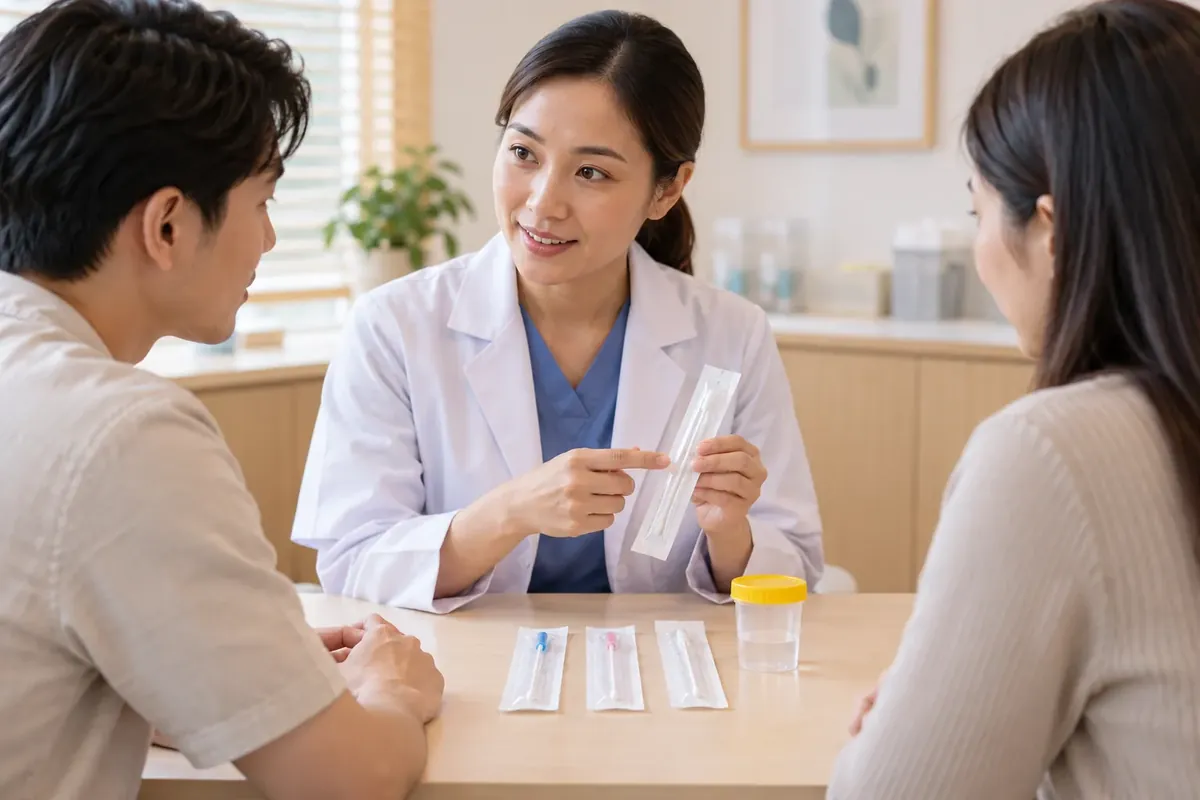
The best test is a swab from a fresh sore tested by PCR or NAAT, which confirms herpes and whether it is type 1 or type 2.[1],[2] The type helps predict how often recurrences may happen.
Blood antibody testing is not recommended as routine screening for people without symptoms, and it cannot show when infection was acquired.[1],[2]
Treatment options
Antivirals such as acyclovir or valacyclovir can be used in two ways, chosen according to symptoms, how often recurrences happen and personal preference.[1],[2]
- Episodic treatment: taken at the first warning signs or sores, to speed healing and ease symptoms. It works best when started early.
- Daily suppressive treatment: suits people with frequent recurrences or concern about passing herpes to a partner. It reduces recurrences and lowers the chance of transmission.
Reducing transmission. Herpes can spread without visible sores. Avoid contact with the affected area during sores or warning symptoms. Condoms reduce but do not eliminate risk, because they do not cover all skin.[1]
How we care for you at Dr. Kris Clinic
If you have sores or blisters on the genitals, see us while they are fresh so a swab gives an accurate result. We explain the findings with understanding and without judgement, and plan episodic or suppressive treatment to suit you, in English or Thai.
We can help you think through telling a partner and reducing transmission, and test for other STIs worth checking at the same time. If worry is affecting your relationship, couples counselling is available at Kris Care Space.
Frequently asked questions
Can herpes be cured?
Medicines do not remove the latent virus, but they control symptoms well, and outbreaks usually become less frequent over time.
This is my first outbreak. Does it mean my partner cheated?
Not necessarily. Herpes can remain silent for years, so a first outbreak may come from an infection acquired long ago.
Can I have sex while I have sores?
Avoid sex until sores have fully healed, because transmission is most likely then.
I'm pregnant and have had herpes. What should I do?
Tell your maternity doctor so they can plan to reduce the risk of passing it to the baby at birth.
Antivirals control herpes symptoms without eliminating the latent virus. Choose treatment by how often outbreaks occur and what you prefer.[1] Accurate information helps you live and love with confidence.
Talk to a doctor about this
Confidential care in Surat Thani, the mainland gateway to Koh Samui, Koh Phangan and Koh Tao. Tue–Fri 17:00–20:00 · Sat–Sun 10:00–15:00 (UTC+7)
Book a visit LINE @dr.krisclinic WhatsAppYour appointment is confirmed once the booking system or the clinic confirms it.

Dr. Krida Uakridathikarn (Dr. Kris)
Board-certified family physician with certificate training in clinical sexology and sexual medicine. He works at Suratthani Hospital and provides sexual health, hormone and LGBTQ+ inclusive care at Dr. Kris Clinic. Profile and CV
References
- CDC STI Guidelines: Genital Herpes
- CDC STI Treatment Guidelines (2021; current online guidance)
- CDC STI Guidelines: Screening Recommendations
- WHO: Herpes simplex virus; global 2020 estimates
Keep reading
Main guide: HIV & STI prevention
 Which STI Tests Do You Need, and When?
 Syphilis: Symptoms, Testing and Stage-Based Treatment
 Gonorrhoea and Chlamydia: Symptoms, Testing and Proper Treatment
This article is general education, not personal medical advice or a promise of results. Diagnosis and treatment require assessment by a doctor. Content reflects the cited sources as of the update date.