Voyeuristic Disorder: Diagnosis, Harm and Treatment
Looking is part of human sexuality. The line is crossed when arousal depends on watching or filming people who don't know and haven't consented.

Key points
- Voyeuristic disorder means at least 6 months of intense arousal from watching unaware people undressing, naked or in sexual activity, plus acting on it with non-consenting people or significant distress; the person must be at least 18.
- Hidden filming and sharing images cause lasting harm to victims and can break several Thai laws, including the sexual harassment offence added to the Criminal Code in 2025.
- Treatment centres on CBT, relapse prevention, relationship and emotion skills and treating co-occurring conditions; medicines are considered only for high-risk cases under a psychiatrist.
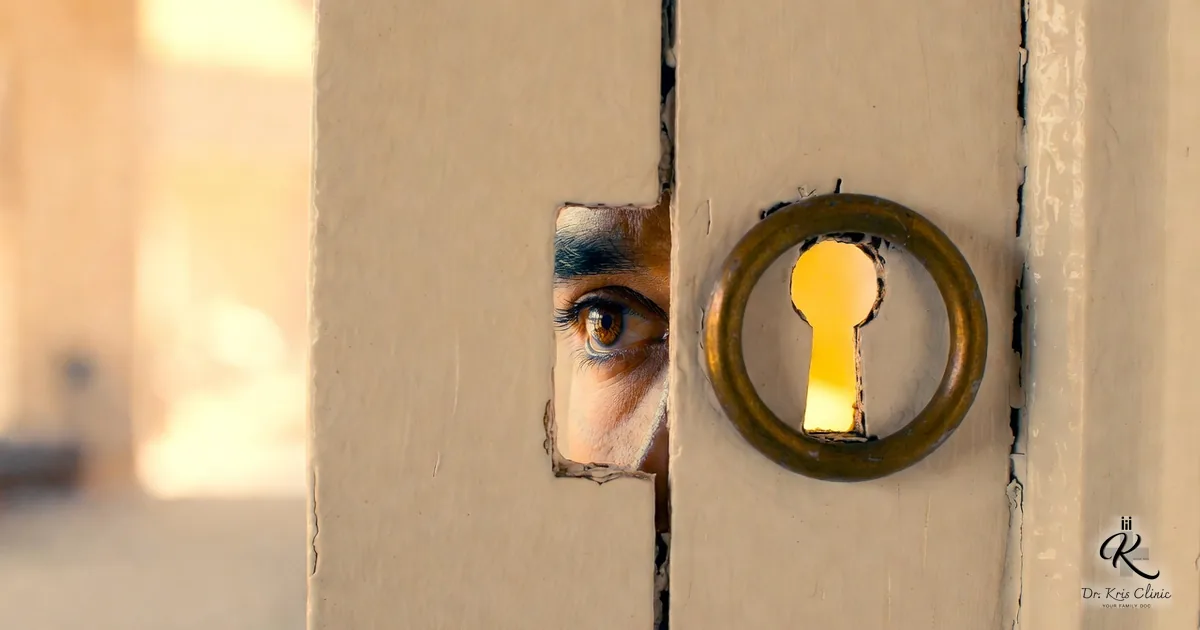
Looking is part of human sexuality. Many people feel excited when they see someone they are attracted to, and many enjoy watching their partner with that partner's knowledge and enjoyment. None of this is a problem. The line lies in the words "unaware and not consenting". When arousal is tied to secretly watching or filming people who don't know, that is the point where a preference becomes a violation.
This article is part of the Paraphilic disorders series, written for understanding and prevention.
What is voyeuristic disorder?
According to DSM-5-TR (2022), voyeuristic disorder is diagnosed when:
- There is recurrent and intense sexual arousal from observing an unsuspecting person who is naked, undressing or engaged in sexual activity, shown through fantasies, urges or behaviors, for at least 6 months
- The person has acted on these urges with a non-consenting person, or the urges cause clinically significant distress or impairment in functioning
- The person is at least 18 years old, because sexual curiosity in adolescence is a normal part of development that needs to be distinguished (though this does not mean secret filming by teenagers is acceptable)
The doctor may add the specifiers "in a controlled environment" or "in full remission" when there has been no acting on urges and no distress for at least 5 years while living normally. ICD-11 classifies it under code 6D31 Voyeuristic disorder, with the emphasis on acts towards non-consenting people.
ICD-11 classifies it as 6D31, focusing on acts against non-consenting people.
Preference vs a condition that should be treated
| Not voyeuristic disorder | Fits a condition that should be treated |
|---|---|
| Enjoying watching a partner who knows and consents | Being aroused mainly by watching people who are unaware |
| Watching adult content produced with consent | Secretly watching, secretly filming, or installing cameras in toilets, rooms or fitting rooms |
| Fantasies that pass, with life carrying on normally | Spending more and more time on it, being unable to stop, distress, or risk of arrest |
A survey in Canada (Joyal & Carpentier, 2017) found that almost half of adults had at some point "wanted" to secretly watch someone. So the feeling itself is common. What separates most people from a condition that needs treatment is not acting on it, and choosing to meet their needs in ways that involve consent.
The smartphone era: secret filming causes lasting harm
Today voyeurism doesn't stop at looking. It includes upskirt filming, tiny hidden cameras and sharing images in online groups. Many victims feel humiliated and fearful, can't sleep and lose their sense of safety in private spaces. Once images are leaked, the effects can follow them for years.
In Thailand, these acts may break several laws: the law on computer-related offences when images are distributed, and the Criminal Code amendment (No. 30) B.E. 2568 (2025), in force from 30 December 2025, which created an offence of sexual harassment covering words, gestures, staring and acts through electronic means, with heavier penalties when committed in public, online or against children under 15. Sexual images of children count as child sexual abuse material, and possessing or sharing them is a serious crime.
Causes and co-occurring factors
There is no single explanation. Factors often found together include learning to associate excitement with risk from adolescence, social anxiety or difficulty forming close relationships, compulsive use of sexual media, drinking or substance use, and depression. Some people also have other conditions in the same group, such as exhibitionistic disorder or frotteuristic disorder.
Assessment and treatment
Assessment is confidential and covers the pattern of behavior, frequency, triggers, risk to others, co-occurring mental health conditions and motivation to change.
Psychological therapy is at the core:
- CBT helps identify risky situations and self-justifying thoughts, such as "they don't know, so there's no harm", and practise alternatives when urges arise
- A relapse prevention plan, such as avoiding risky places or times, carrying recording devices less, limiting access to triggering media and having a trusted person for support
- Relationship and emotion-regulation skills, so that sexual needs can be met in consensual relationships
- Treating co-occurring conditions, such as depression, anxiety and alcohol use
Medication is considered only for people with severe urges or high risk, following the WFSBP (2020) guidelines, and must be under a psychiatrist's care. Our clinic provides screening, counseling and appropriate referral.
If you're worried about this
The fact that you've read this far means you want to change, which is a very good starting point.
- Stop and step away from risky situations right away. Delete the devices or apps used for secret filming.
- Consult a doctor or clinical sexologist in confidence; see When to see a clinical sexologist
- If you feel severe distress or have thoughts of harming yourself, call 1323, Thailand's mental-health hotline (Thai language; ask for English support)
- If you have been secretly filmed, keep the evidence, report it to the police on 191 and get help from the Social Assistance Center on 1300
Dr. Kris Clinic offers consultations at the clinic and online, without judgment, in English or Thai. Our shared goal is for you to live at peace with yourself, and for no one to become a victim.
- 1Stop and step backLeave risky situations; delete apps or devices used for secret filming
- 2Consult confidentiallyA doctor or clinical sexologist
- 3TherapyCBT, relapse prevention plan, treating co-existing conditions
- 4Severe distressCall 1323 (Thailand mental-health hotline)
If you have been secretly filmed: keep evidence, report to 191 (police) and seek help from 1300 (Social Assistance Centre).
Want help with this? Three simple steps
Reading is a good start. When you are ready, check where you are, see how a consultation works, then book a time that suits you.
 1Free 2-minute self-checkSexual-health self-check — see your result instantly and send it to the doctor if you like.Start the self-check →
 2See the steps and feesIndividual from 990 THB · couple 1,590 THB · 30–60 minutes, at the clinic or online via MCS Telemedicine.How a consultation works →
 3Book with the doctorPick a time online or message us on LINE. Come on your own or with your partner. Payment confirms the booking.Book online →
Self-checks are a guide only and do not replace a doctor's assessment. Outcomes vary from person to person, depending on the severity of symptoms, the complexity of the problem and other factors.
Confidential consultation with a clinical sexologist
Say what you haven't been able to say to anyone. We listen, assess and plan — or refer when needed.
Every medicine and service requires a doctor's assessment first.
Frequently asked questions
I like watching my partner change clothes. Is that abnormal?
If your partner knows and is happy with it, it isn't voyeuristic disorder. The condition refers to arousal from watching people who are unaware and haven't consented.
Is it wrong to watch hidden-camera clips online?
Hidden-camera clips have real victims who did not consent. Watching and sharing them supports the violation and may be illegal, especially if children are involved, which is a serious crime.
Can voyeuristic disorder be treated?
CBT and a relapse prevention plan help people control their behavior much better, especially when started before any legal problems.
If I seek help, will it be confidential?
Consultations are protected by medical confidentiality, except when someone else, especially a child, is in danger.
อ่านบทความนี้เป็นภาษาไทย
ภาวะแอบดู (Voyeuristic Disorder): เกณฑ์วินิจฉัย ผลกระทบ และการบำบัด →
References
- American Psychiatric Association. DSM-5-TR. 2022. Voyeuristic Disorder (302.82 / F65.3).
- World Health Organization. ICD-11 MMS. 6D31 Voyeuristic disorder.
- Joyal CC, Carpentier J. The Prevalence of Paraphilic Interests and Behaviors in the General Population: A Provincial Survey. Journal of Sex Research. 2017;54(2):161–171.
- Thibaut F, et al. The WFSBP 2020 guidelines for the pharmacological treatment of paraphilic disorders. World Journal of Biological Psychiatry. 2020.
- Act Amending the Criminal Code (No. 30) B.E. 2568 (2025), Section 284/1: offence of sexual harassment (in force 30 December 2025) (in Thai).
This article is for education and does not replace diagnosis or treatment by a doctor. If you have symptoms or concerns, please see a doctor.