
What is U=U?
U=U stands for Undetectable = Untransmittable. A person living with HIV who takes antiretroviral therapy consistently, so that the amount of virus in the blood becomes too low to detect and stays that way, does not transmit HIV to sexual partners.[1]
U=U does not mean HIV is cured. The virus remains in the body and will multiply again if treatment stops.[1],[2]
Why U=U matters
U=U has transformed life for people living with HIV. It reduces fear of passing HIV to loved ones, reduces stigma and motivates people to keep taking treatment.[1] Many people living with HIV regain confidence in relationships and plans for the future.
For HIV-negative partners, understanding U=U removes unnecessary worry and builds relationships on accurate information.
Risk depends on viral load
The risk of infection depends on the type of exposure, prevention used and the partner's viral load.[4] Viral load is the single most important factor: when the virus is consistently suppressed, the sexual transmission risk is effectively zero.
Why undetectable means untransmittable
Antiretrovirals stop the virus multiplying. With consistent treatment, the amount of virus in blood and genital fluids falls to very low levels. According to the CDC, sustained viral suppression below 200 copies per millilitre on treatment prevents sexual transmission of HIV.[1],[2]
This evidence comes from large studies of couples with different HIV statuses, both heterosexual and gay male couples, who had sex without condoms. No transmissions were found from partners whose virus was suppressed.
How suppression is monitored
Suppression is confirmed by ongoing viral load results together with a review of adherence, not by HIV antibody tests.[1],[2] Antibody tests stay positive for life in people with HIV, so they cannot track treatment.
Most people starting antiretrovirals reach suppression within a few months, and viral load is checked at intervals set by their HIV doctor.
The limits of U=U
U=U is specifically about sexual transmission, and its limits should be clear.[1],[2]
- It does not prevent other STIs such as syphilis or gonorrhoea, and does not prevent pregnancy; condoms and screening still matter.[3]
- It should not be extended to shared needles or breastfeeding as zero risk; these need specific advice.
- Pregnancy and infant feeding decisions should be made with appropriate specialist guidance.
Accurate information supports ongoing treatment and reduces stigma.[1]
How we care for you at Dr. Kris Clinic
We offer confidential, judgement-free advice about HIV for people living with HIV, couples with different statuses and anyone seeking prevention, in English or Thai. If you have just received a positive result, we explain your options and help connect you quickly to antiretroviral treatment.
For couples with different statuses, we answer questions about U=U, PrEP while a partner is not yet suppressed, and regular screening for other STIs.
Frequently asked questions
My virus is undetectable. Can I stop treatment?
No. If treatment stops, the virus multiplies again and can be transmitted. Treatment must continue.
If my partner is undetectable, do we never need condoms?
U=U prevents sexual HIV transmission, but not other STIs or pregnancy. Decide together with those in mind.
I've just started treatment. When does U=U apply?
Once the virus has been consistently undetectable, which usually takes a few months. Use other prevention, such as condoms or PrEP for your partner, until then.
Does U=U mean HIV is cured?
No. The virus remains in the body but is controlled by treatment.
U=U means no sexual transmission of HIV when viral suppression is maintained.[1] Keep taking treatment, monitor with viral load tests, and continue to look after protection from other STIs.
Talk to a doctor about this
Confidential care in Surat Thani, the mainland gateway to Koh Samui, Koh Phangan and Koh Tao. Tue–Fri 17:00–20:00 · Sat–Sun 10:00–15:00 (UTC+7)
Book a visit LINE @dr.krisclinic WhatsAppYour appointment is confirmed once the booking system or the clinic confirms it.
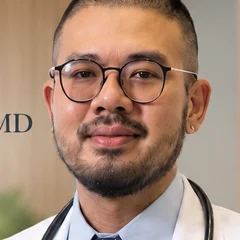
Dr. Krida Uakridathikarn (Dr. Kris)
Board-certified family physician with certificate training in clinical sexology and sexual medicine. He works at Suratthani Hospital and provides sexual health, hormone and LGBTQ+ inclusive care at Dr. Kris Clinic. Profile and CV
References
- CDC: HIV Treatment as Prevention (2024)
- CDC: Treating HIV (2024)
- CDC STI Treatment Guidelines (2021; current online guidance)
- CDC nPEP Recommendations 2025. MMWR 74(RR-1)
Keep reading
Main guide: HIV & STI prevention
 PrEP vs PEP: HIV Prevention Before and After Exposure
 What to Do After a Possible HIV Exposure: The First 72 Hours
 After Starting PEP: The 28-Day Course and Follow-Up Testing
This article is general education, not personal medical advice or a promise of results. Diagnosis and treatment require assessment by a doctor. Content reflects the cited sources as of the update date.